

It’s hard to even talk about the Sarah Everard case without getting pissed off, mostly because it wasn’t just a random tragedy—it was a systemic collapse.
On a Wednesday night in March 2021, Sarah was just walking home from a friend’s house in South London. Wayne Couzens, who was a literal serving police officer at the time, intercepted her using his warrant card and handcuffs to stage a fake “arrest” for breaking COVID-19 lockdown rules. That’s the part that still haunts people; she was doing exactly what citizens are told to do—complying with the law—and he used that trust to kidnap her.
He drove her 80 miles to Dover, raped her, and then strangled her with his own police-issue belt. To make it even more stomach-turning, he burned her body in a refrigerator and dumped the remains in a pond. When he finally got caught, he tried to lie his way out of it by blaming an Eastern European gang, but the CCTV and digital tracking were irrefutable. He’s now serving a whole-life order, meaning he’ll never see the outside of a prison cell.
But the question everyone keeps asking is: How was this guy even a cop? The investigation afterward found “red flags” everywhere. This wasn’t a guy who just snapped; he had a history of alleged sexual offenses going back to 1995. He’d been reported for indecent exposure eight times. Just days before he killed Sarah, he exposed himself to staff at a drive-through, and the police basically “apathetically” ignored it. There were even reports that his own colleagues nicknamed him “The Rapist” because he made women so uncomfortable. He was also part of a WhatsApp group with other officers where they shared disgusting, misogynistic “jokes” about abusing women. The system didn’t just miss him—it practically shielded him.
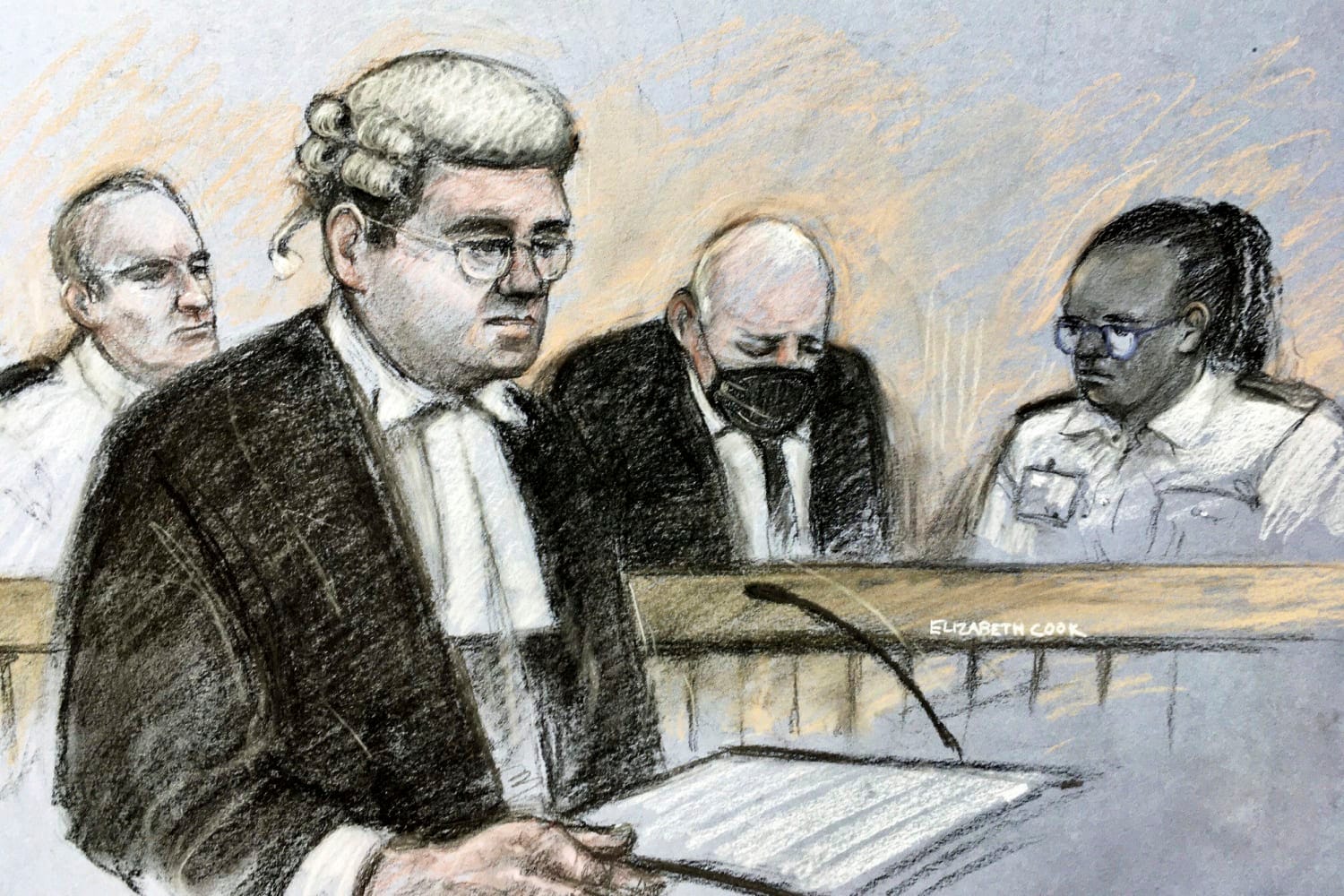
When you look at how the media handled it, it was a bit of a rollercoaster. At first, some outlets definitely tried to “protect the cop” or at least the image of the police. They ran headlines calling him a “family man” and a “garage mechanic,” which felt like a slap in the face to Sarah’s family. The Met Police also tried to push this “one bad apple” narrative, acting like he was a total outlier that no one could have predicted.
But the media eventually turned on the institution. Once the public saw photos of male officers pinning women to the ground at a peaceful vigil for Sarah, the “protection” was over. Journalists started digging into the toxic culture of the Met, exposing things like the Casey Review and the Angiolini Inquiry. They shifted the conversation from “one crazy guy” to “institutional misogyny.”
By the time the dust settled, the press had basically forced the government to admit that violence against women is a national security threat. They didn’t just report on a murder; they ended up putting the entire concept of British policing on trial.