
The death of Diana, Princess of Wales, on August 31, 1997, wasn’t just a car crash—it was a global trauma that shattered the “fairytale” illusion of the British Monarchy forever.
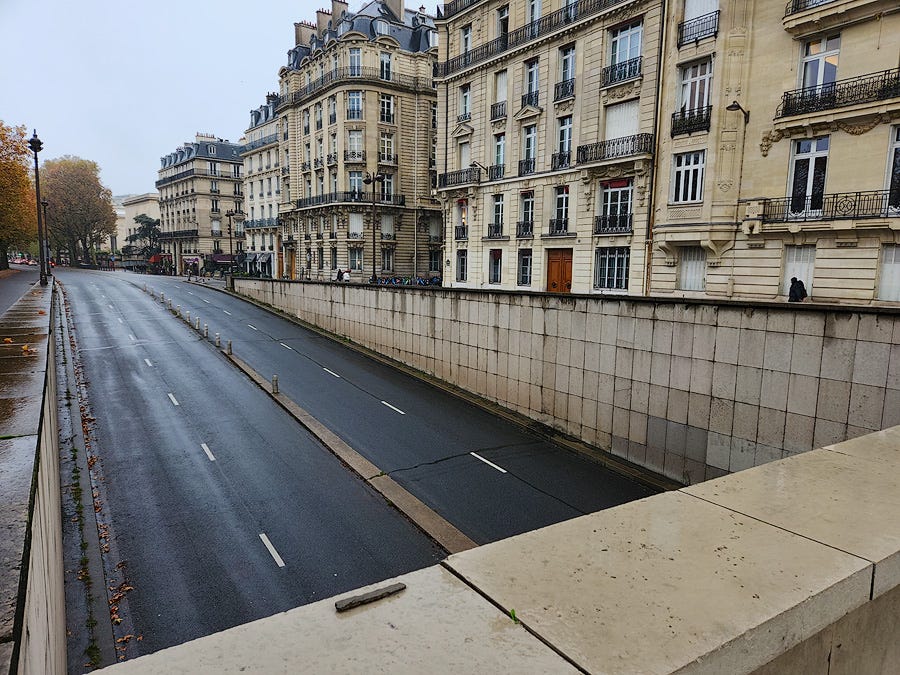
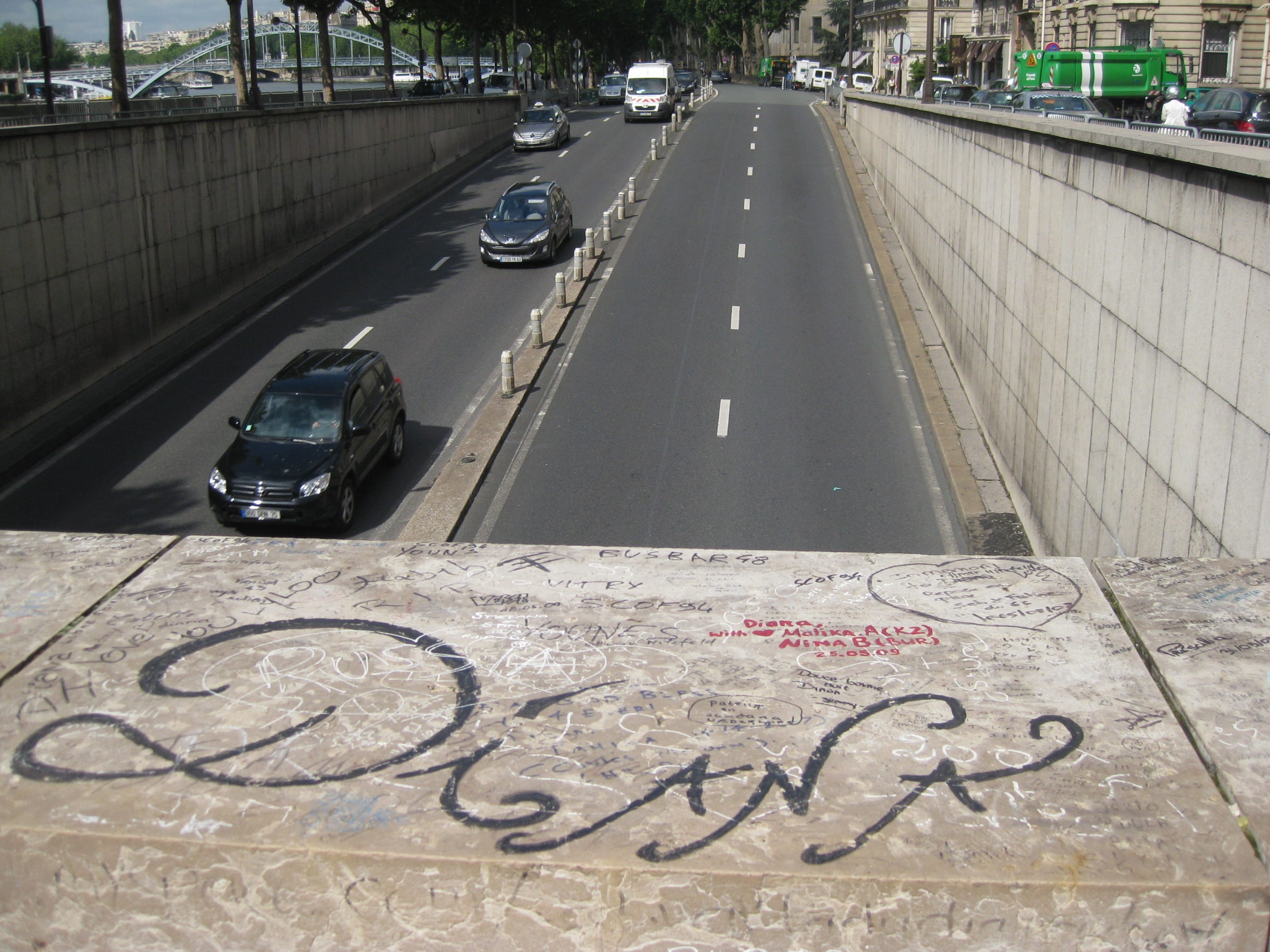
In the nearly 30 years since that black Mercedes-Benz S280 slammed into the thirteenth pillar of the Pont de l’Alma tunnel in Paris, the official narrative has remained the same: it was a tragic accident caused by a drunk driver and aggressive paparazzi.
But for a massive portion of the public, that story has never sat right. When you look at the gaps in the official reports, the “missing” evidence, and the convenience of her silence, you start to see why the “accident” label feels like a cover up. To understand why the full facts might have been suppressed, we have to look at the intersection of a failing marriage, a pregnant princess, and a Crown that was losing its grip on the narrative.
By 1997, Diana was no longer just the estranged wife of Prince Charles; she was a loose cannon. She had already cooperated with Andrew Morton for his bombshell biography and sat down with Martin Bashir for the Panoramainterview where she famously said, “There were three of us in this marriage, so it was a bit crowded.”
But by the summer of ‘97, the threat she posed to the Royals had shifted from emotional to existential. She was dating Dodi Fayed, the son of billionaire Mohamed Al-Fayed. To the British Establishment, the idea of the mother of the future King of England marrying a Muslim Egyptian man—and potentially giving Prince William a half-sibling—was, according to many theorists, “unthinkable.”
The official British inquiry, Operation Paget, launched in 2004, was designed to put these “conspiracy theories” to bed. It cost millions of pounds and concluded there was no conspiracy. However, when you dig into the testimony, several “facts” remain suspiciously blurry.
Every witness near the tunnel that night mentioned a white Fiat Uno that clipped the Mercedes just before the crash. Scratches of white paint were found on the wreckage of Diana’s car.
The French police spent years looking for this car but “never found it.” However, investigative journalists later pointed to James Andanson, a millionaire paparazzi and rumored MI6 informant, who owned a white Fiat Uno. In a bizarre twist, Andanson was found dead in a burned-out car in 2000. The official cause? Suicide. But the doors were locked from the outside, and the keys were missing. Many believe the Fiat was used to “nudge” the Mercedes into the pillar, and Andanson was the loose end that needed tying up.
Ten months before she died, Diana wrote a letter to her butler, Paul Burrell. In it, she explicitly stated: “This particular phase in my life is the most dangerous—my husband is planning ‘an accident’ in my car, brake failure and serious head injury in order to make the path clear for him to marry.”
The authorities dismissed this as “paranoia.” But in the world of intelligence, when a high-value target predicts their own method of assassination with that much accuracy, it’s rarely considered a coincidence.
The “drunk driver” narrative hinges on Henri Paul, the acting head of security at the Ritz. Blood tests showed he had three times the legal limit of alcohol in his system, plus antidepressants. But CCTV footage from the Ritz that night shows him walking steadily, tying his shoes, and interacting with people without any signs of intoxication.
Even more suspicious? Henri Paul had nearly 1.2 million francs in various bank accounts at the time of his death—far more than a security guard’s salary. Critics argue his blood samples were swapped at the morgue with the blood of a suicide victim to ensure the “drunk driver” story stuck.
If there was a cover-up, the motive wasn’t just “spite”—it was protection.
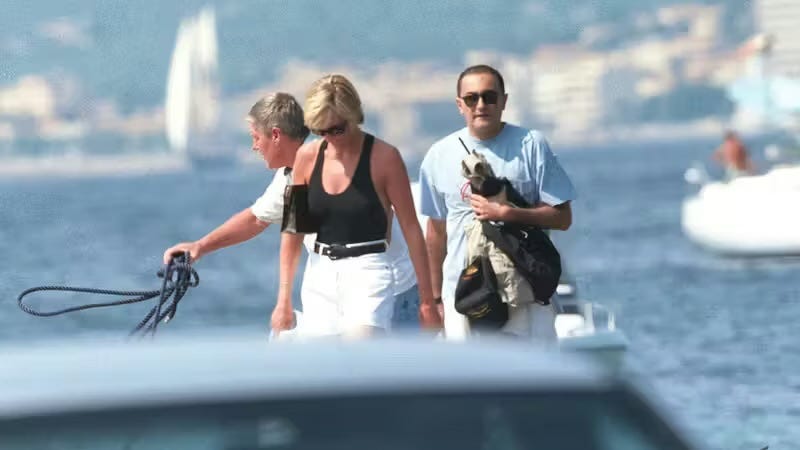
In the 90s, the Monarchy was at its lowest point in a century. Diana was more popular than the Queen. Had she married Dodi Fayed and moved to the States or France, she would have become an “Alternative Court,” a rival power center that would have made the actual Windsors look dusty and irrelevant.
Furthermore, the “pregnancy” theory remains the most explosive. Mohamed Al-Fayed insisted until his death that Diana was pregnant with Dodi’s child. If true, the British government and the Royals could not allow the future head of the Church of England to have a Muslim stepfather. Diana’s body was embalmed with “unusual haste” just hours after her death—a process that makes testing for pregnancy impossible.
The reason we don’t have “all the facts” is likely because the “facts” aren’t held in a single file labeled The Murder of Diana. They are buried in the “Grey Area”—the space where MI6 interests overlap with the needs of the Royal Household.
If it was an operation, it was a “soft kill.” You don’t need a sniper; you just need a high-speed chase, a blinded driver (witnesses reported a bright flash of light in the tunnel), and a delayed medical response. It took over an hour for Diana to reach the hospital, despite the crash happening only a few miles away. In France, they treat patients on-site, but many experts argue that “Golden Hour” was wasted on the curb of the Seine.
As we look back now, the “Diana Conspiracy” has moved from the fringes of tabloids to a permanent fixture of British history. Whether it was a literal hit ordered by a Royal or a “convenient tragedy” enabled by negligence, the result was the same: the most dangerous woman to the British Monarchy was silenced.
The documents from Operation Paget are sealed for decades. We won’t see the full, unredacted truth in our lifetime.
But as the saying goes: In the absence of the truth, the myth becomes the reality.