
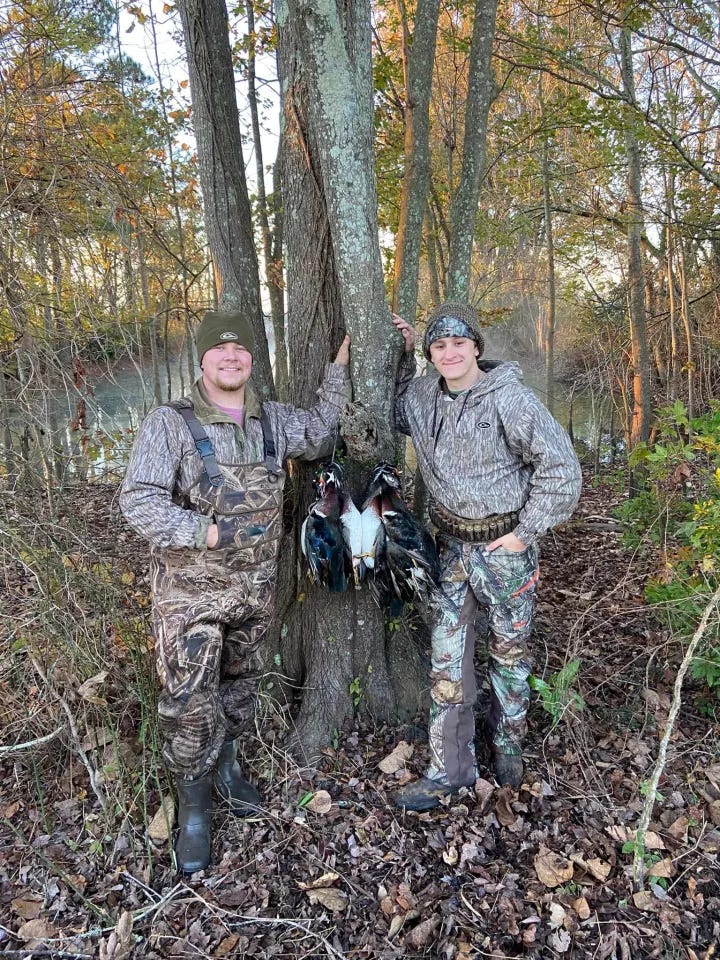
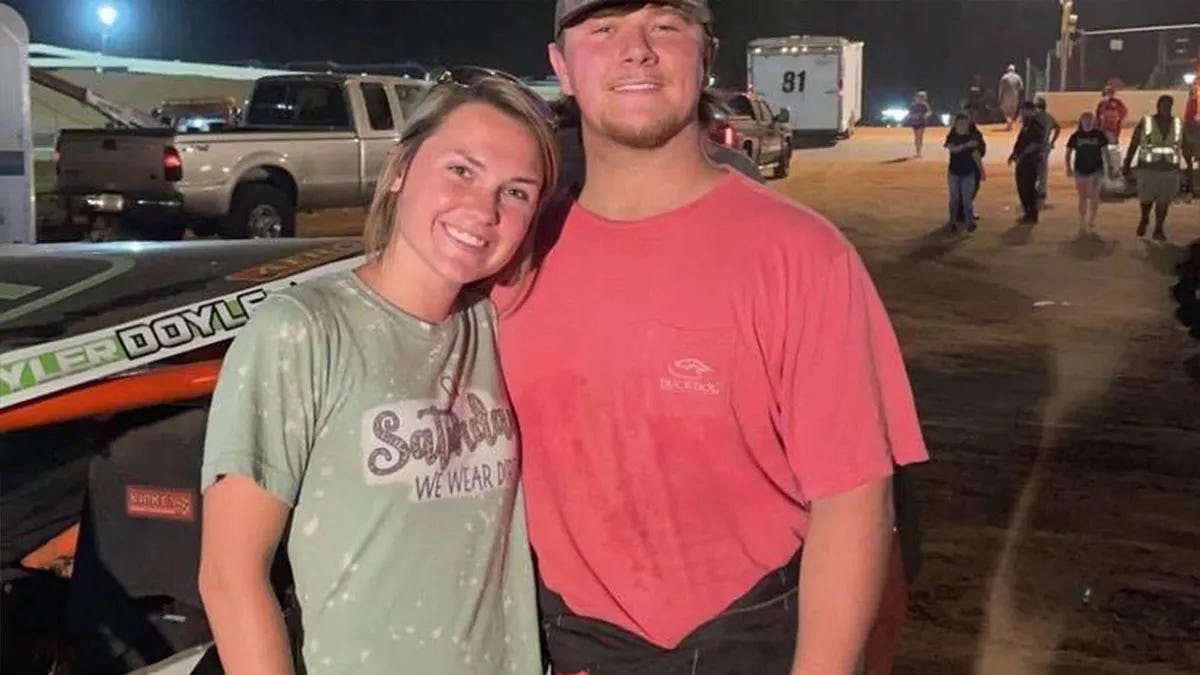
Let’s talk about the Tyler Doyle case, because this story is the perfect, heartbreaking example of what happens when a very real tragedy collides with the internet’s obsession with “solving” things. It’s a mess of bad decisions, bad weather, and a digital response that honestly makes you question humanity a little bit. I was, to say the least, disappointed in Tiktoker’s when this case broke.
It starts on January 26, 2023. You have 22-year-old Tyler Doyle. He’s out on the water at the border of South Carolina and North Carolina, near the Little River jetties. If you know anything about boating, you know you respect the ocean, especially in winter. But on this specific Thursday, the conditions were basically a nightmare scenario. There was a small-craft advisory in effect. The air was a biting 39 degrees, the water wasn’t much warmer at 50, and the winds were ripping at up to 30 knots. The seas were rough.
And yet, Tyler and his buddy were out there in a 16-foot flat-bottom jon boat. For context, that is not an ocean vessel. That is a boat for calm swamps and shallow creeks. Taking a jon boat into choppy ocean waters during a small-craft advisory is roughly the nautical equivalent of driving a golf cart onto a freeway during a blizzard. It was incredibly dangerous.
The timeline of what went wrong is fast. Around 4:00 PM, Tyler drops his friend off on the north jetty—those big rock walls that jut out into the water. The plan, apparently, was for the friend to be on the rocks while Tyler maneuvered the boat to set out duck decoys. But almost as soon as Tyler pulls away from the rocks, things go south. The motor stalls. It starts taking on water immediately.
He calls his friend on the rocks, panic presumably setting in, saying the boat is going down. By 4:30 PM, the friend is on the phone with 911, watching helplessly from the jetty as Tyler drifts out into the Atlantic. The friend tells dispatch that Tyler managed to get his life jacket on, which is the one glimmer of hope in the moment.
The response was actually incredibly fast. Horry County Fire Rescue got there in nine minutes. They pulled the friend off the rocks safely. But when they found the boat, it was a ghost ship. It was completely submerged, motor down, with just the bow sticking about a foot out of the water. Tyler was nowhere to be found.
Now, usually, this is where the story stays local—a tragic hunting accident. And all the official evidence points to exactly that. The South Carolina Department of Natural Resources (SCDNR) looked at everything. They pulled the digital data from Tyler’s phone and his Life360 app, and it all matched the friend’s story perfectly. The location data showed the boat exactly where the friend said it was, sinking exactly when he said it sank. A few days later, search crews found Tyler’s waders and wallet washed up in North Carolina, along with some decoys. The authorities were clear: no foul play. Just a tragedy.
But the internet? The internet decided it was a murder mystery.
Almost immediately, the case blew up in true crime groups and on TikTok. People saw “duck hunting” and “missing body” and “one survivor” and their brains broke. The speculation was rampant and, frankly, cruel. You had people dissecting the 911 call, analyzing the friend’s tone, and deciding he sounded “suspicious.”
Locals and hunters started picking apart the details on forums. They asked why experienced hunters would use mallard decoys—which are for freshwater ducks—in the ocean. They fixated on the jon boat being in the ocean. Instead of concluding “these guys made some really unsafe choices,” the online consensus shifted to “this was a setup.”
The rumors got wild. People were posting that the friend murdered Tyler on the boat. Others spun this narrative that Tyler faked his own death to escape pending criminal charges or to get away from his life, forcing the police to publicly come out and say, “No, there are no warrants for this guy, he didn’t fake his death.” They even claimed the family was in on it, fleeing to Georgia to hide out.
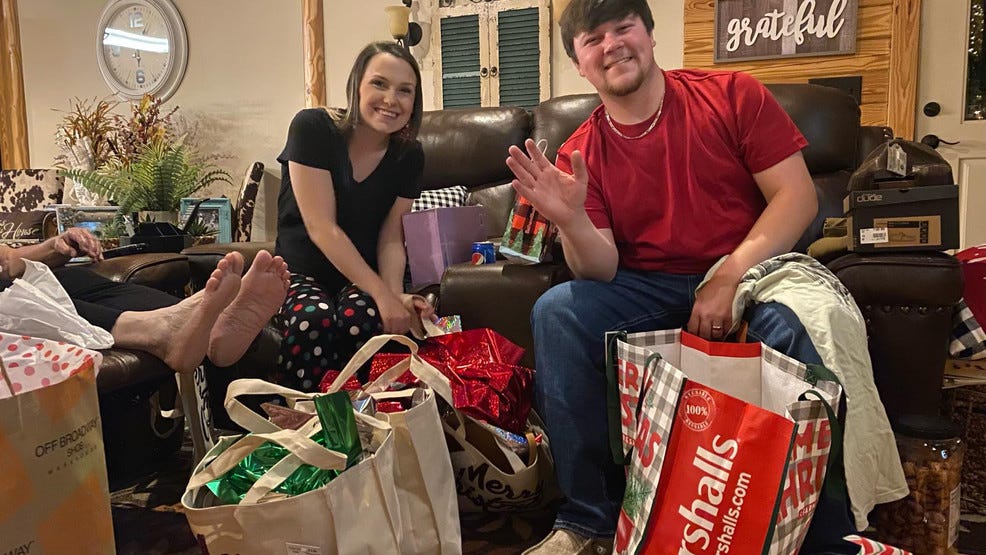
And this is where the “human” toll gets heavy. Tyler’s wife, Lakelyn, was 30 weeks pregnant at the time. Imagine being seven months pregnant, your husband just vanished into the freezing ocean, and thousands of strangers on the internet are calling you a scammer or accusing your husband of faking it.

A GoFundMe had been set up for her and the baby, and it hit $30,000 pretty quickly. But the harassment became so toxic that Lakelyn actually asked the organizer to shut it down. She walked away from thirty grand meant for her child because she couldn’t handle the vitriol. She said she’d rather “go without” than deal with the drama and the rumors while she was trying to grieve and protect her pregnancy.
Tyler’s family tried to stay offline, mostly communicating through Facebook, but they saw it all. His mom, Linda, spoke about the devastation of seeing people tear her son’s name apart. His brother, Reed, eventually snapped on Facebook, calling out the “lying bulls***” from people who didn’t know Tyler and were just treating his death like entertainment.
So, you have this split reality. In the real world, you have a young man who made a fatal mistake in a boat that couldn’t handle the weather, leaving behind a pregnant wife. In the digital world, you have a conspiracy thriller that people felt entitled to solve, completely ignoring the fact that real people were reading every single comment. It’s a harsh reminder that sometimes there is no mystery—just the ocean, the cold, and a really sad ending.