
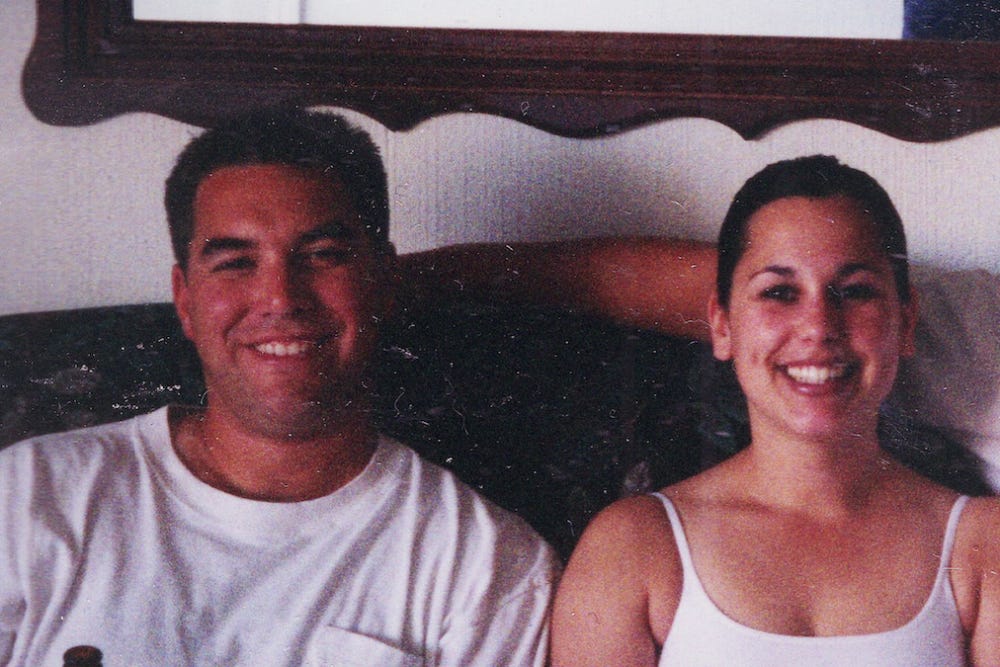
The disappearance of Laci Peterson on Christmas Eve 2002 became one of the most defining moments in American media history. For over two decades, the story has been set in stone: a sociopathic husband murdered his pregnant wife to escape fatherhood and run off with a mistress.
It’s a neat, horrifying story. But when you perform a forensic dissection of the police reports, suppressed evidence, and leaked calls, a massive chasm opens up. There is the “monster” narrative that sold millions of newspapers, and then there are the cold, hard facts of the investigative record.
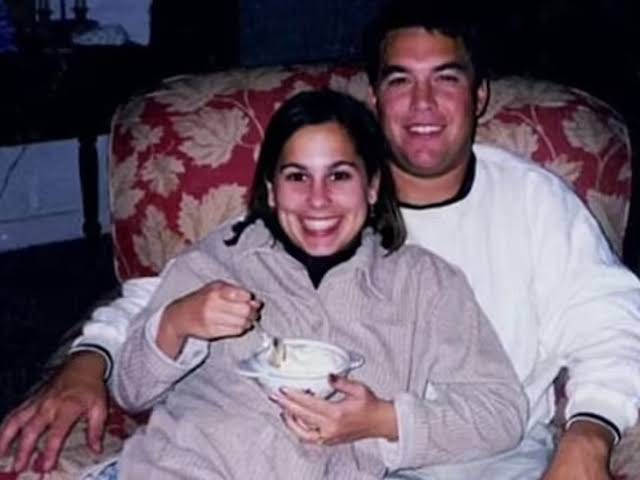
Here is how the drive for ratings may have buried the truth.
The Media’s Choice: Ratings Over Reality
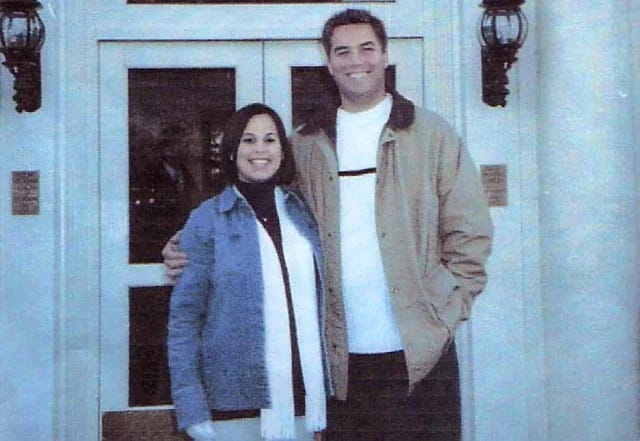
From the moment the story broke, the media ecosystem—facing a holiday news slump—latched onto the case. The Modesto Police Department and national outlets entered a “collaborative feedback loop,” prioritizing behavioral analysis over forensic proof.
The “Demeanor” Trap Scott Peterson was largely convicted in the court of public opinion based on “demeanor evidence.” Television personalities like Nancy Grace broadcast nightly referendums on his morality, dissecting his lack of public tears and his “arrogant” decision to trade in Laci’s car.
The Narrative: Scott was detached, indifferent, and refused to help find his wife.
The Fact: Police reports confirm Scott organized candlelight vigils, worked the volunteer command center, and participated in early searches.
The Reality: Psychological research shows that our ability to judge a lie based on demeanor is barely better than chance (about 54%). Yet, the media presented Scott’s “improper grieving” as undeniable proof of guilt.
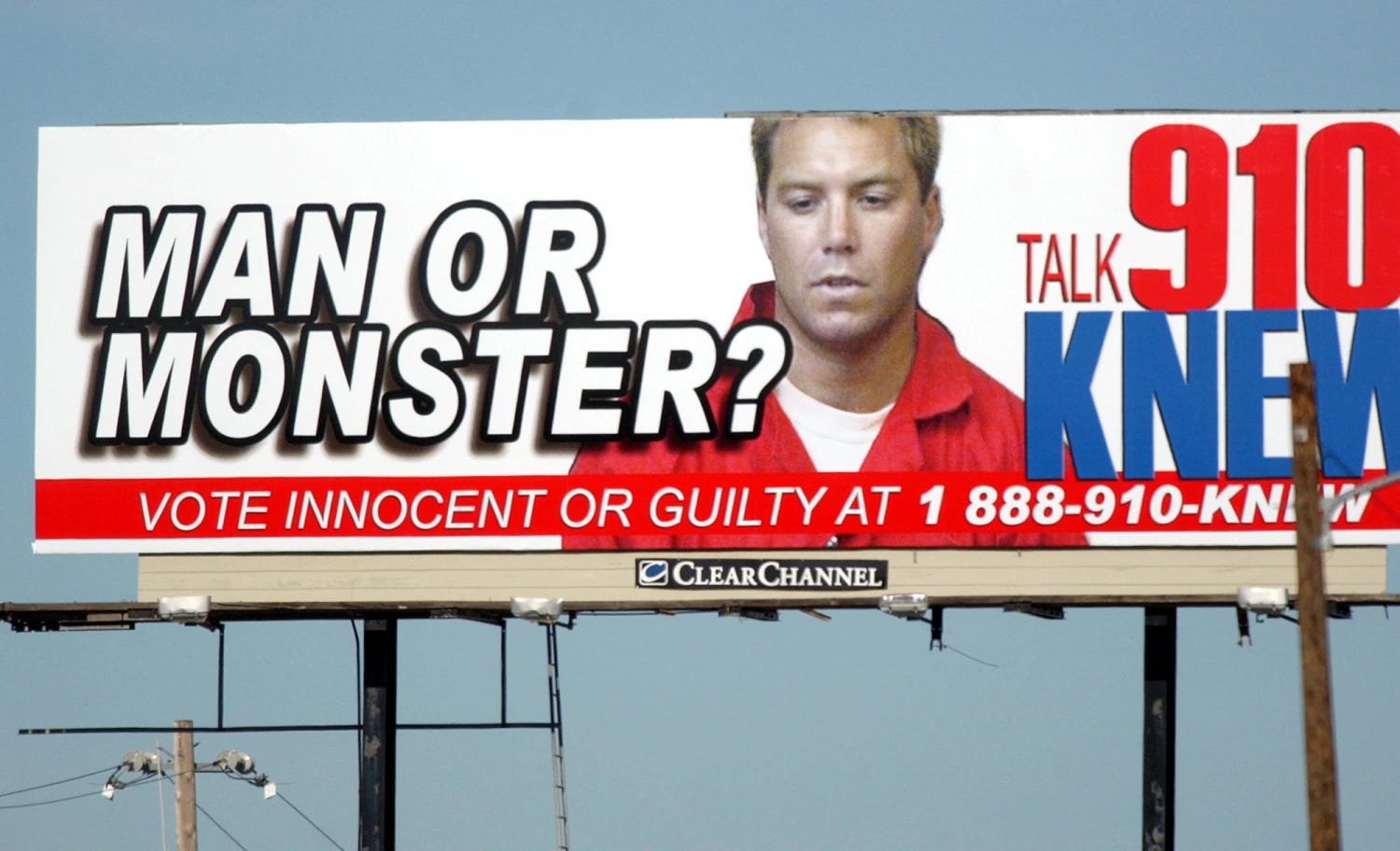
The Billboard Stunt The hysteria reached a fever pitch when radio station KNEW erected giant billboards near the courthouse reading “Man or Monster?”, urging the public to vote on his guilt via telephone poll.
The Impact: Even media experts at the time called the stunt “grotesque,” but the damage was done.
The Consequence: The saturation was so intense that 96% of potential jurors had been exposed to the publicity, and nearly half admitted they had already decided Scott was guilty before the trial even began.
The Prosecution’s Theory vs. The Physics
The prosecution, aided by the media, presented a linear theory: Scott strangled Laci on the morning of December 24 and dumped her body in the San Francisco Bay. However, the physical evidence is full of holes that the cameras largely ignored.
1. The “Secret” Boat and The Bodies
The Narrative: Scott bought a boat to dispose of the body, and the remains eventually washed ashore near his fishing spot, creating a “perfect match.”
The Fact: New hydrodynamic analysis suggests the bodies could not have drifted from Scott’s fishing location near Brooks Island to where they were found. The science indicates they were likely placed in the bay at a completely different location—one accessible by car or foot.
2. The Concrete Anchors
The Narrative: Police found cement residue in a specific plastic pitcher in Scott’s warehouse, theorizing he used it as a mold to make five concrete anchors to weigh down the body.
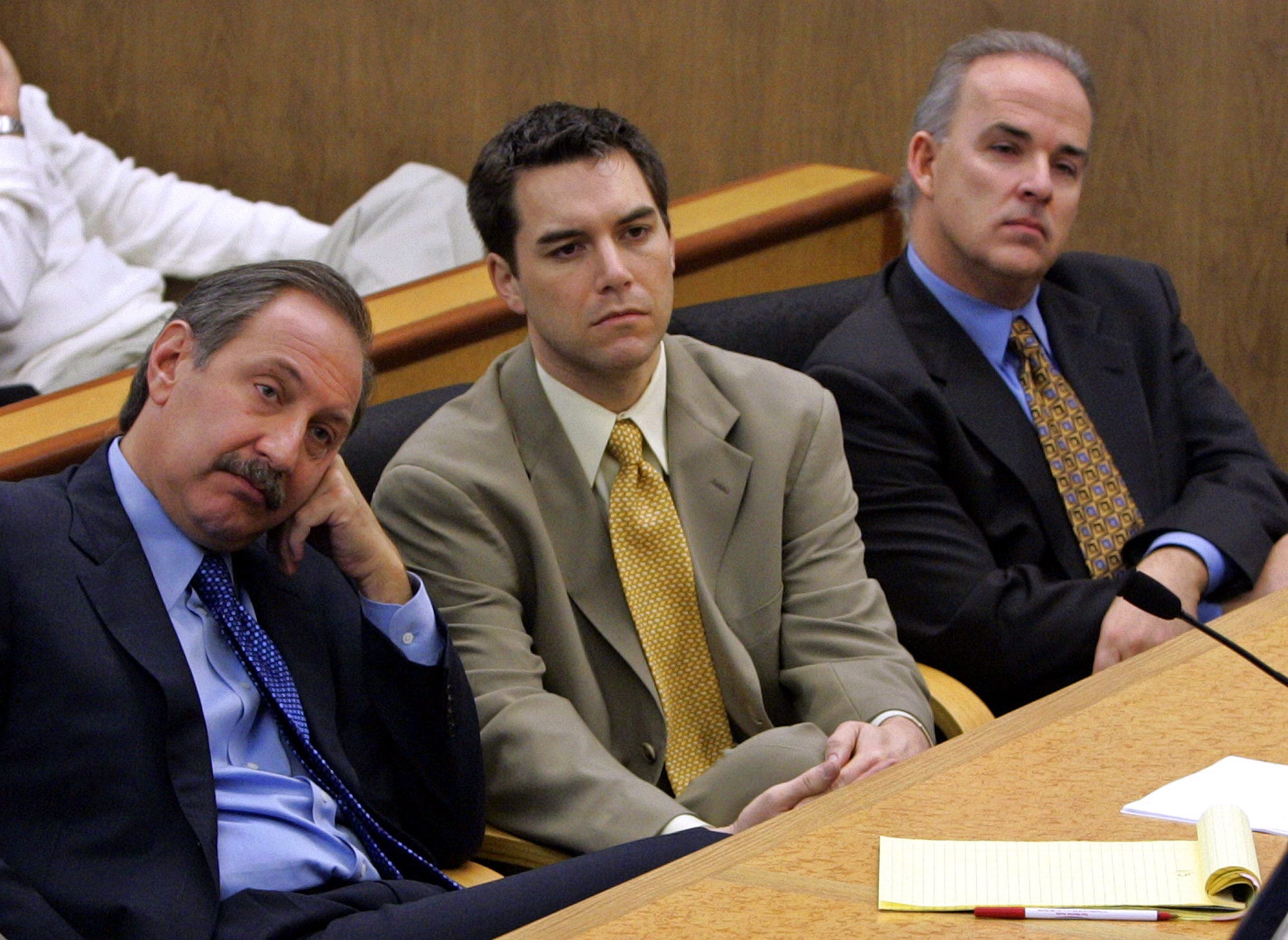
The Fact: In a dramatic courtroom moment, the defense demonstrated that the anchor found in Scott’s boat did not physically fit inside the alleged pitcher mold. A detective even admitted on the stand that they knew the pitcher wasn’t the mold, yet the prosecution kept pushing the theory.
3. The Timeline and The “Missing” Witnesses
The Narrative: Scott was the last person to see Laci alive before leaving for the marina.
The Fact: Police reports identify numerous eyewitnesses who saw Laci walking the dog between 9:45 A.M. and 11:30 A.M.—long after Scott had left the house.
The Suppression: Police did not call a single one of these witnesses to testify. Reports show investigators actively discouraged them, suggesting their information “wasn’t going in the right direction.”
The Burglary and The Burning Van: Ignored Leads
Perhaps the most damning indictment of the “ratings over truth” approach is the willful ignorance of alternative suspects.
The Medina Burglary A home directly across the street from the Petersons was burglarized around the time Laci vanished. Police accepted the burglars’ claim that it happened on December 26, clearing them.
The Fact: Eyewitnesses saw a suspicious van and men at the home on the morning of December 24, not the 26th.
The Leak: A prison lieutenant later reported a recorded conversation where an inmate stated Laci had confronted the burglars on the 24th. This tip was buried in 40,000 pages of discovery and never heard by the jury.
The Orange Van The morning after Laci disappeared, a bright orange van was found set on fire less than a mile from the Peterson home.
The Fact: Inside the van was a mattress with stains that tested presumptively positive for human blood.
The Failure: Police did not vigorously investigate this link because it didn’t fit the Scott narrative. The LA Innocence Project has recently highlighted this as a key piece of suppressed evidence.
The Verdict: Driven by Narrative, Not Proof
The convergence of a hungry 24-hour news cycle and a police force with tunnel vision created a scenario where Scott Peterson was presumed guilty long before he stepped into a courtroom.
The jury was arguably infected by this narrative—most notably Richelle Nice (”Juror 7”), who was later accused of lying about her own history as a domestic violence victim to get on the panel. The jury convicted Scott based on what they called “hundreds of small puzzle pieces” of circumstantial evidence and the emotional weight of his affair, despite the judge admitting there was no evidence of how, when, or where the crime was committed.
The media chose ratings because the story of a handsome, sociopathic husband is a profitable tragedy. But the timeline discrepancies, the neighbors who saw Laci alive, and the scientific impossibilities of the state’s theory remain inconvenient details that got in the way of a “slam dunk” story.