
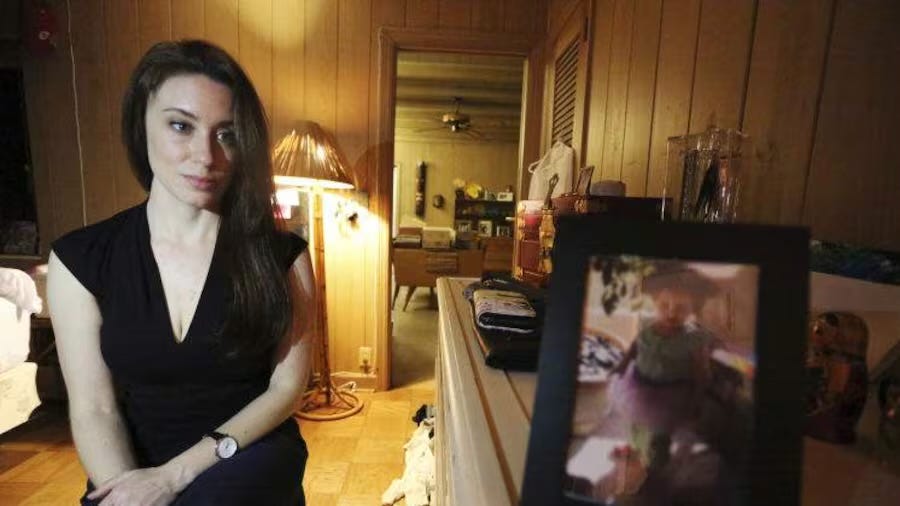
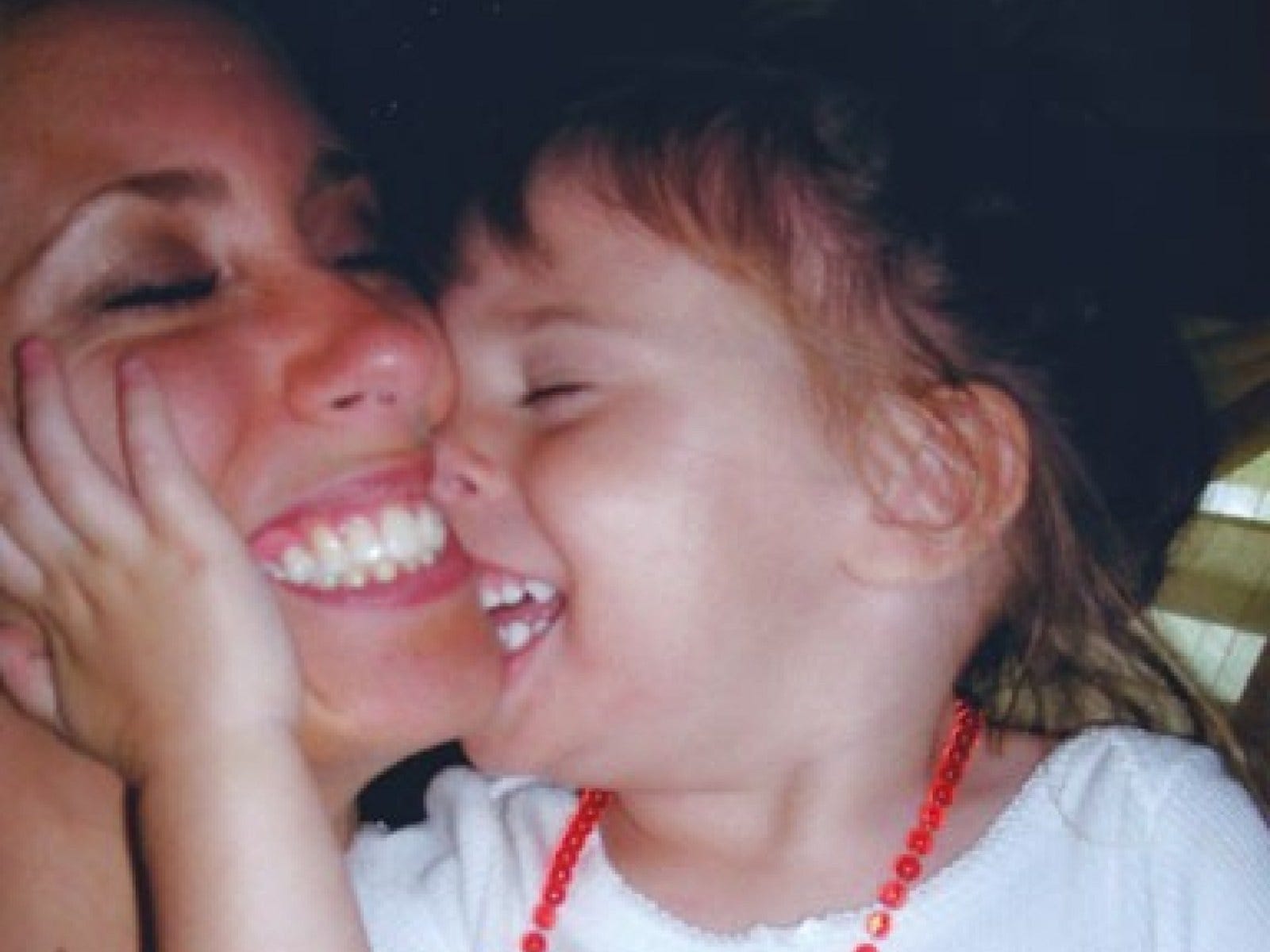
In the summer of 2008, a two-year-old girl named Caylee Anthony vanished from Orlando, Florida. By the time her mother, Casey Anthony, stood trial for her murder in 2011, the case had mutated from a local news story into a national obsession. It was the first “Social Media Trial of the Century,” a spectacle where hashtags, cable news pundits, and armchair detectives created a narrative of absolute moral certainty.
To the millions watching Nancy Grace night after night, the case was simple: a “party mom” had murdered her daughter to free herself from the burdens of parenthood. The evidence, as presented on television, seemed overwhelming. Yet, on July 5, 2011, a jury of twelve shocked the world by acquitting Casey Anthony of first-degree murder, aggravated child abuse, and aggravated manslaughter of a child.
The verdict ignited a firestorm of public outrage, but it wasn’t a failure of the justice system; it was a revelation of the massive chasm between the sensationalized media narrative and the actual, often contradictory, forensic reality presented in court. To understand the verdict, one must peel back the layers of cable news hyperbole and examine the cold, hard facts that the jury—and not the public—actually heard.
The “Party Mom” vs. The “Accidental Drowning”
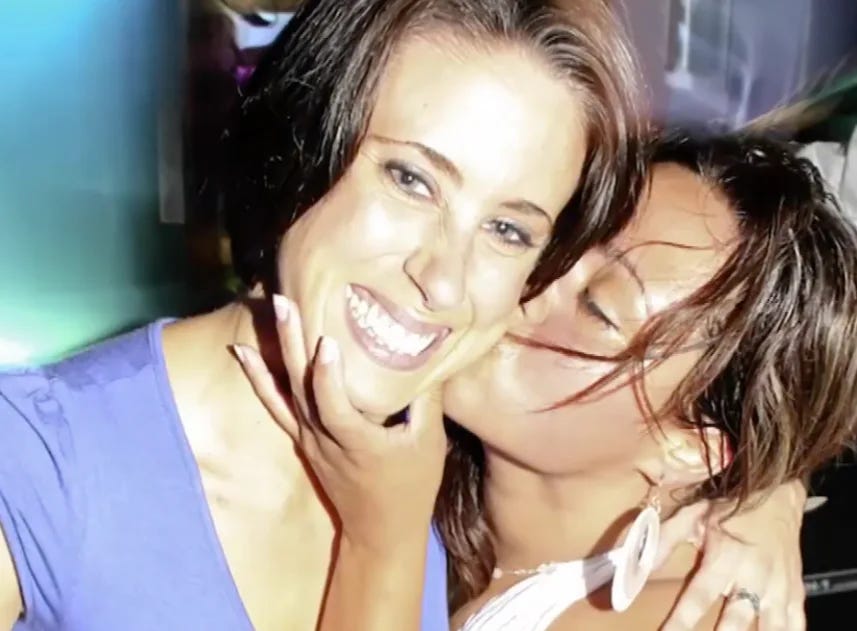
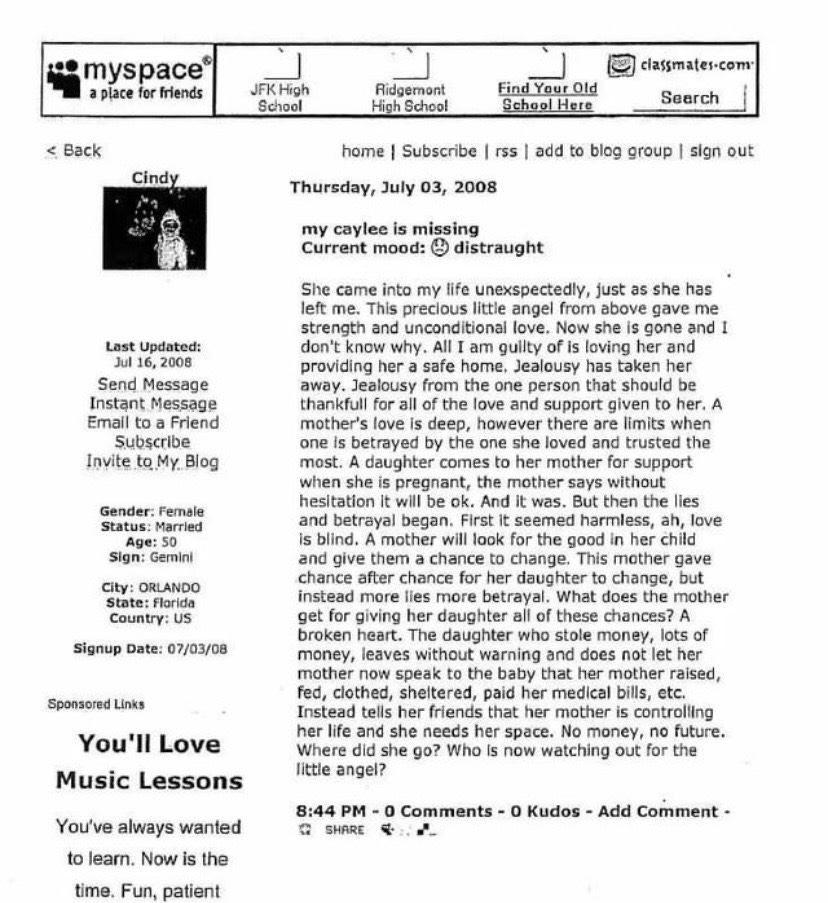
The most visceral element of the media’s case against Casey Anthony was her behavior during the infamous “31 days”—the month-long gap between when Caylee was last seen (June 16, 2008) and when Casey’s mother, Cindy, finally reported her missing (July 15, 2008).
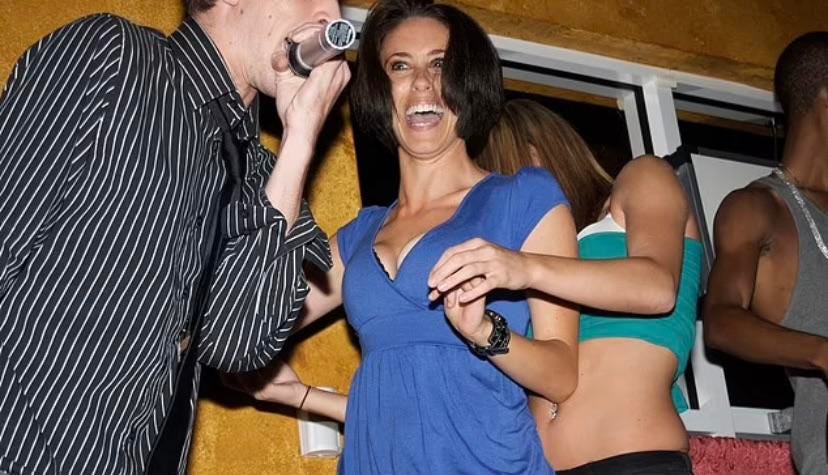
The Media Narrative: “Bella Vita”
For three years, the public was bombarded with images of Casey partying at Orlando nightclubs while her daughter was allegedly dead. Photos surfaced of her dancing on tables, participating in a “hot body” contest, and getting a tattoo that read Bella Vita (”Beautiful Life”). Pundits framed this as the behavior of a sociopath celebrating her newfound freedom. The narrative was clear: she killed Caylee so she could live the life of a carefree twenty-something.

The Courtroom Reality: Defense of Denial
Inside the courtroom, defense attorney Jose Baez did not deny these actions. Instead, he reframed them in his opening statement, which dropped a bombshell that sucked the air out of the room: Caylee had not been murdered, he claimed, but had accidentally drowned in the family swimming pool on June 16.
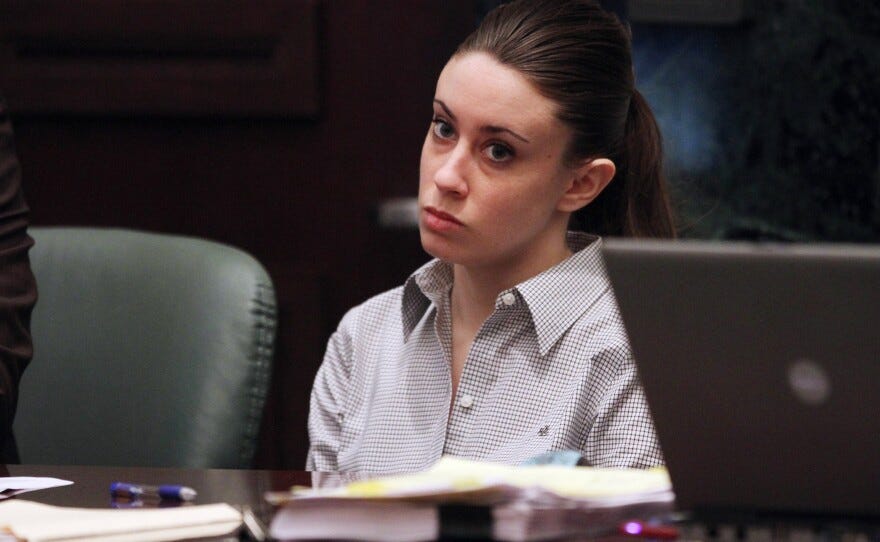
Baez argued that Casey’s bizarre behavior was not celebration, but a trauma response. He painted a picture of a dysfunctional home where Casey had been conditioned to lie and cover up pain due to alleged sexual abuse by her father, George Anthony (an allegation George vehemently denied on the stand). The defense argued Casey was “compartmentalizing” her grief, pretending everything was normal because she couldn’t face the reality of the accident.
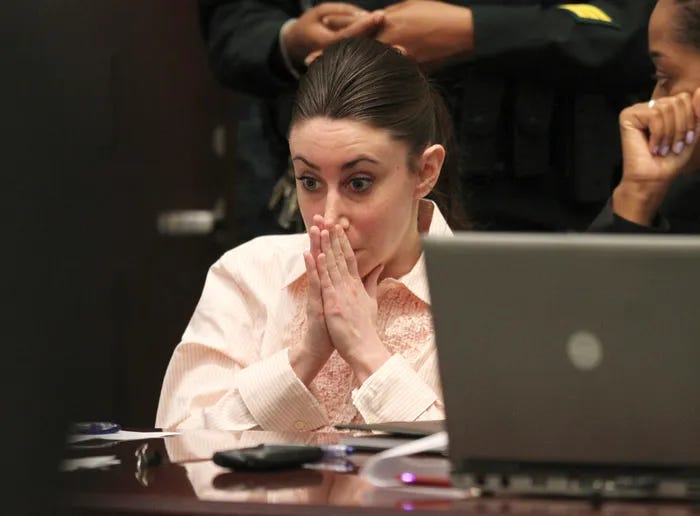
While the “drowning” theory lacked physical evidence, it provided a plausible alternative explanation for her behavior. In a criminal trial, character assassination is not proof of a crime. The prosecution proved Casey was a liar and arguably a “bad mother,” but they could not legally connect her partying to the specific act of murder.
“Zanny the Nanny” and the Web of Lies
Before the body was found, the search for Caylee was driven by Casey’s claim that her daughter had been kidnapped by a nanny named Zenaida Fernandez-Gonzalez, or “Zanny.”
The Media Narrative: The Phantom Kidnapper
The media spent weeks dissecting the “nanny” story, interviewing potential witnesses and searching for this mystery woman. When it became clear “Zanny” didn’t exist, the media portrayed this as the ultimate proof of guilt: innocent mothers don’t invent kidnappers.

The Police Reality: The Universal Studios Walk
The police reports reveal just how quickly and spectacularly this story fell apart, long before the trial began. In a pivotal moment captured in police files, Casey led detectives to Universal Studios, claiming she worked there as an event planner and that “Zanny” had dropped Caylee off there.
Detectives walked Casey past the security gates, down the halls, and all the way to a specific office building. It was only when she reached the end of a hallway and had nowhere left to turn that she stopped, turned to the officers, and admitted, “I don’t work here.” She hadn’t worked there in years.
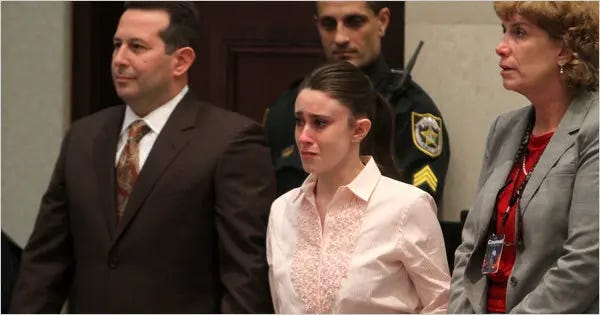
While this proved Casey was obstructing justice (a charge she was convicted of), it created a paradox for the prosecution. If Casey was a cold-blooded “mastermind” who planned a murder, why was her cover story so easily debunked? The defense used this clumsiness to argue that Casey wasn’t a calculating killer, but a panicked young woman drowning in a web of her own lies following an accident.
The Digital Mirage – 84 Searches for Chloroform
Perhaps the most damning piece of “evidence” leaked to the press was the digital footprint found on the Anthony family’s desktop computer.
The Media Narrative: The Smoking Gun
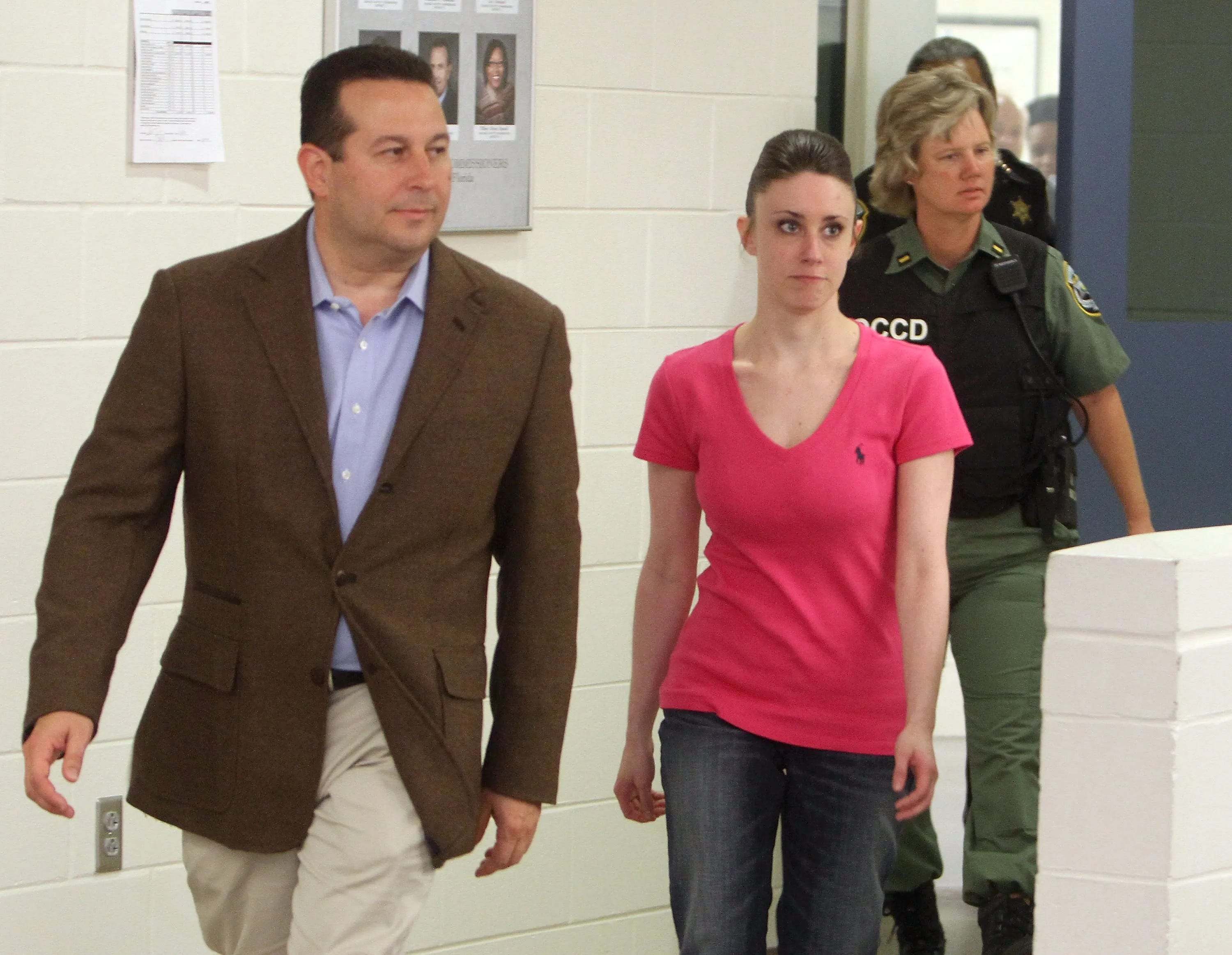
News outlets reported that someone in the Anthony home had searched for the word “chloroform” 84 times. This specific detail was repeated endlessly as definitive proof of premeditation. It suggested Casey had spent days researching how to chemically knock out her daughter to suffocate her.
The Forensic Reality: A Software Failure
The courtroom revelation regarding this evidence was a disaster for the prosecution. The “84 searches” figure came from a forensic software tool called CacheBack, used by the Orange County Sheriff’s Office.
During the trial, the software’s developer admitted the tool had a critical glitch. It had misinterpreted the browser’s history data. Every time the computer “pinged” a website or loaded a thumbnail related to the initial search, the software counted it as a new search.
The corrected data showed there was only one search for chloroform, not eighty-four. Furthermore, the search history also included queries for “chlorophyll,” lending credence to Cindy Anthony’s testimony that she had been looking up information about bamboo for the family dogs. With the “84 searches” debunked, the prosecution’s primary evidence for first-degree premeditation evaporated.
“Fantasy Science” and the Smell of Death
With no eyewitnesses, the state needed physical proof that Caylee was dead before her body was found. They turned to the trunk of Casey’s Pontiac Sunfire, which witnesses said smelled horrific.
The Media Narrative: The Science of Smell
The prosecution introduced “Odor Analysis” evidence, claiming that science could now identify the unique chemical signature of human decomposition. The media hailed this as a “CSI-style” breakthrough that would seal Casey’s fate.
The Forensic Reality: Garbage vs. Body
The prosecution called Dr. Arpad Vass, a researcher who used Gas Chromatography-Mass Spectrometry (GC-MS) to analyze air samples from the trunk. He testified that he found high levels of chloroform and other compounds consistent with decomposition.
However, this was “frontier science.” It had never been admitted in a Florida criminal case. The defense team, led by Jose Baez, dismantled the testimony by pointing out the lack of a control group. They noted that the trunk also contained a bag of rotting trash—including old pizza and maggots.
Baez forced experts to admit that the volatile organic compounds (VOCs) found in human decomposition are also found in rotting food and common household cleaners (like the “Vanish” stain remover found in the car). Without a peer-reviewed database proving these chemicals only come from a dead body, the evidence was speculative. The jury, instructed to find guilt “beyond a reasonable doubt,” could not convict based on experimental science that couldn’t distinguish between a decomposing child and a bag of rotting trash.
The Cause of Death Vacuum
The final and perhaps most fatal flaw in the state’s case was the body itself. The prosecution’s theory was visceral and horrific: Casey had used duct tape to suffocate Caylee. The media frequently displayed animations of how the tape would have been applied, cementing this image in the public consciousness.
The Forensic Reality: “Undetermined”
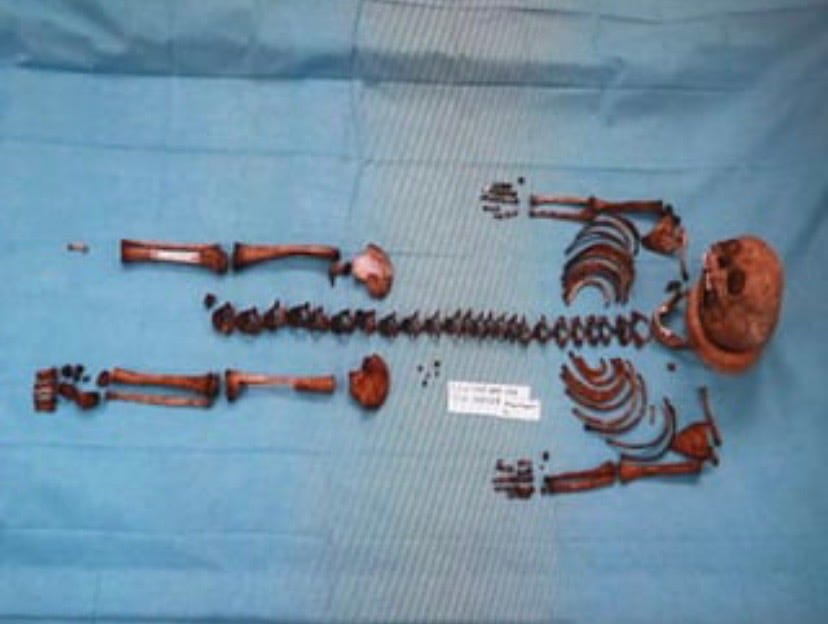
Caylee’s remains were found in a wooded area near the Anthony home in December 2008, six months after she disappeared. By then, they were completely skeletal.
Because there was no soft tissue remaining, the Medical Examiner, Dr. Jan Garavaglia, could not medically determine how Caylee died. There was no evidence of trauma to the bones. The official cause of death was listed as “Homicide by Undetermined Means.”
The duct tape found near the skull was the only link to the suffocation theory, but it was forensically useless. The FBI lab found no DNA, no fingerprints, and no skin cells on the tape. The defense argued that the tape could have been used to seal the garbage bag the body was placed in, or that it had shifted near the skull due to animal activity and flooding in the swampy area. Without proof of how she died, the jury could not rule out the defense’s theory of accidental drowning.
The CSI Effect
The Casey Anthony verdict remains a study in the “CSI Effect”—the public’s expectation that forensic science is always precise, infallible, and definitive. The media presented a case full of certainty: 84 searches, a trunk that smelled of death, and a clear motive.
But the jury didn’t see the media’s case. They saw a case where the “science” was experimental, the digital evidence was flawed, the cause of death was unknown, and the motive was a psychological theory rather than a proven fact. While the court of public opinion convicted Casey Anthony on moral grounds, the court of law acquitted her because the state simply failed to prove the crime of murder.