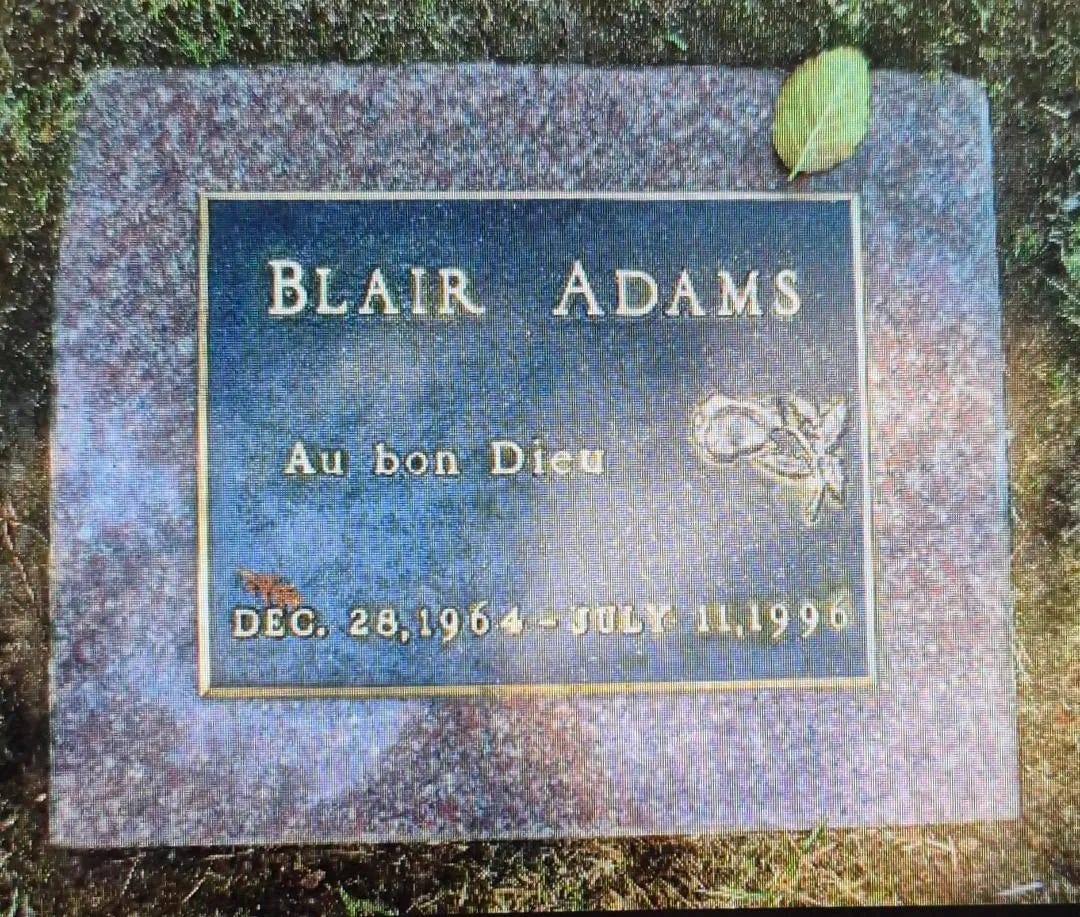
The July 1996 death of 31-year-old Canadian construction foreman Robert Dennis Blair Adams is one of the most structurally anomalous cold cases in North American law enforcement. The victim fled his home in British Columbia under the belief that someone was trying to kill him, traveling over 2,600 miles only to end up murdered in a Knoxville, Tennessee, parking lot. Over the decades, media sensationalism and internet sleuthing have blurred the lines of the investigation. This article deconstructs the case by separating the established police and medical facts from popular media narratives.
To understand the Blair Adams case, one must look strictly at the verified timeline, the crime scene, and the autopsy results.
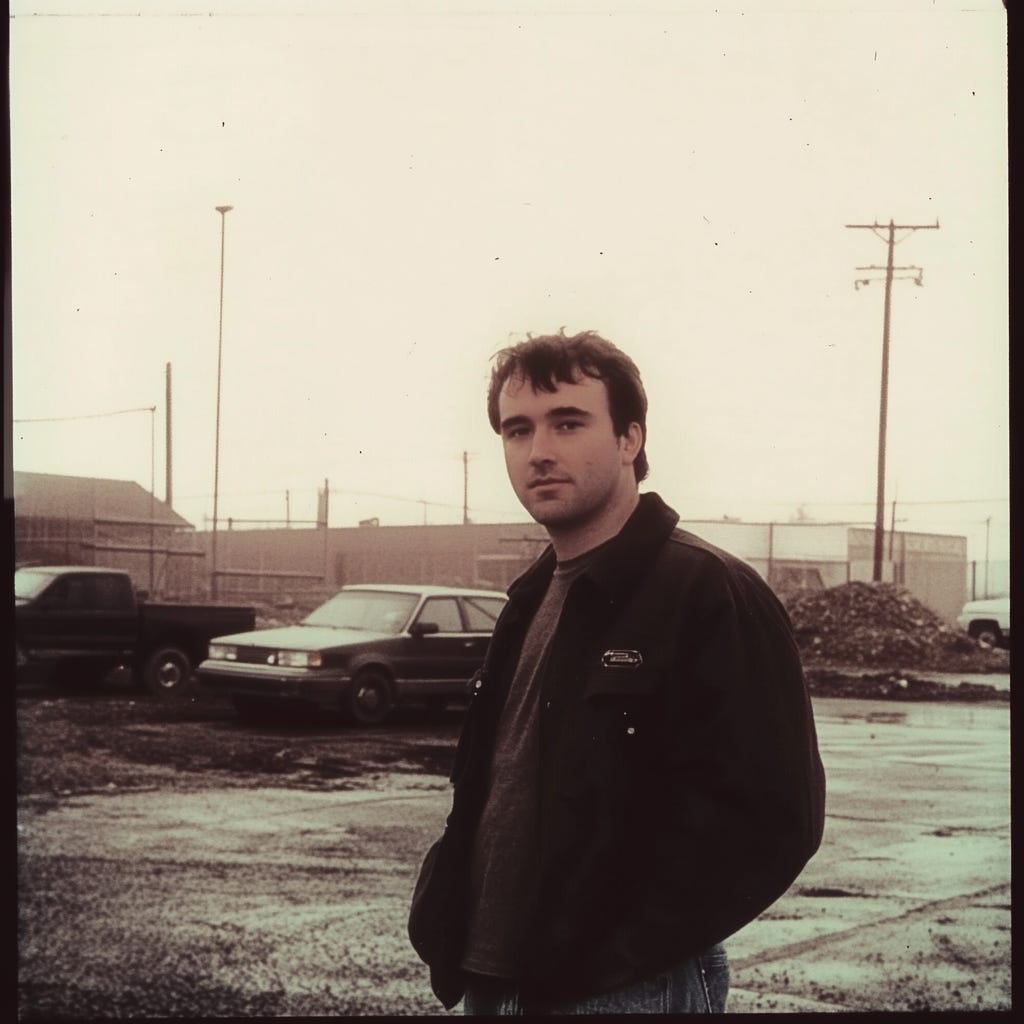
Prior to his death, Adams had been sober from alcohol and drugs for two years, though he had recently stopped attending his support meetings. In early July 1996, his behavior changed drastically; he suffered from mood swings and insomnia, and cryptically told friends and his mother that someone was trying to kill him.
July 5: Adams liquidated his savings, emptying his bank account and a safe deposit box of cash, gold, platinum, and jewelry.
July 7–9: He attempted to cross the U.S.-Canada border via ferry but was denied entry by officials who profiled him as a potential drug courier due to the large amount of cash he carried and a prior criminal record. He subsequently abandoned his Chevrolet, rented a Nissan Altima, and successfully crossed the border into Seattle.
July 10: Adams abandoned the Nissan in Seattle, purchased a one-way flight to Washington D.C., rented a Toyota Camry at Dulles Airport, and drove to Knoxville, Tennessee.
The Final Hours: Around 5:30 PM, Adams claimed his rental car wouldn’t start at a Knoxville gas station.The repair driver noted Adams was attempting to use the key for the abandoned Nissan, but Adams adamantly refused to check his pockets for the correct key. Adams was dropped off at a Fairfield Inn, where security cameras captured him entering and exiting the lobby five times in 40 minutes. He paid $100 for a room at 7:37 PM, walked out without his change, and never entered the room.
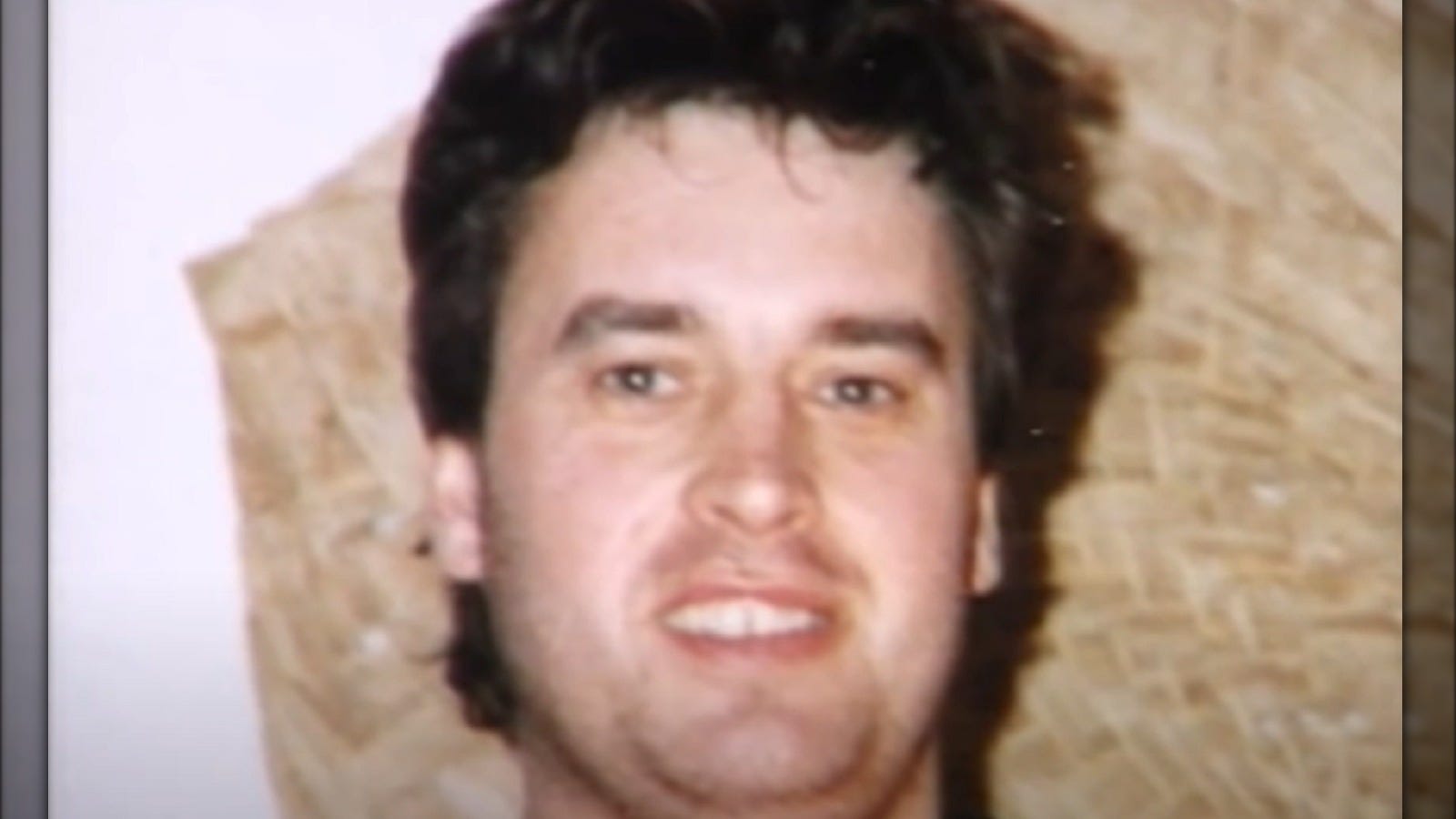
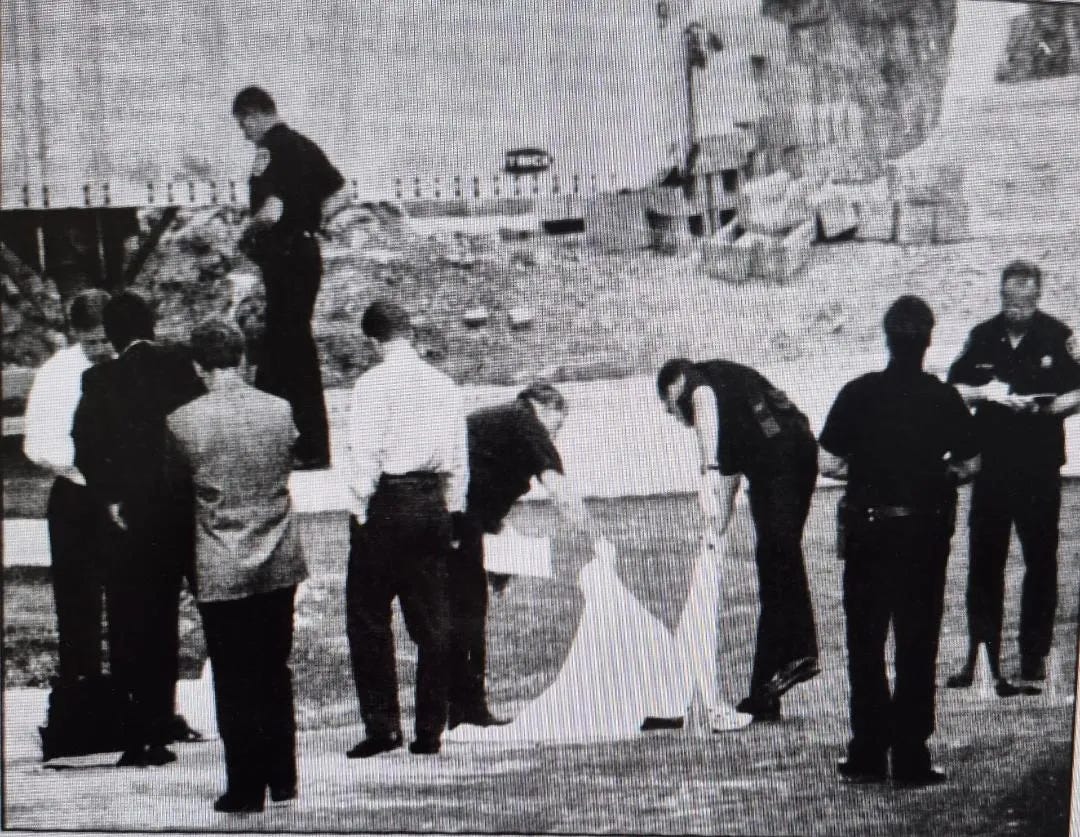
At 7:30 AM on July 11, construction workers found Adams’s body in the parking lot of a Country Inn & Suites under construction, about a half-mile from his hotel.
Adams was half-naked. His shirt was ripped open, his pants were removed in a manner suggesting someone else pulled them off, and his shoes and socks were removed, with the socks turned inside out.
Approximately $4,000 in Canadian, American, and German currency was scattered around his body. A fanny pack containing $2,000 worth of gold bars, platinum, and jewelry was left completely untouched. The missing Toyota car key was also found near his body.
Adams died of septic shock resulting from a violently ruptured stomach, caused by a massive blow to the abdomen.
He suffered a sliced forehead (likely from a club or crowbar) and defensive wounds on his hands, indicating he fought his attacker. Tufts of his own hair were ripped from his scalp.
Certain injuries indicated he may have been sexually assaulted, but no foreign DNA was recovered from those injuries.
Toxicology reports showed absolutely no drugs or alcohol in his system at the time of death.
The only significant piece of foreign physical evidence was a single, long strand of hair clutched in Adams’s hand.

Media outlets, true crime podcasts, and internet forums have heavily sensationalized Adams’s death. By comparing the media narrative to the police and forensic realities, several prominent myths can be debunked.
Because Adams carried multiple currencies and claimed he was being hunted, media and armchair detectives frequently hypothesize that he was the victim of a professional hit by a drug cartel or organized crime syndicate.
Law enforcement and forensic experts largely dismiss this. Professional hitmen typically use firearms for efficiency and reliability, not blunt force trauma to the stomach. Furthermore, a cartel or criminal organization would likely have taken the thousands of dollars in untraceable cash and gold. Additionally, police noted that tracking a man across 2,600 miles who was randomly changing rental cars and purchasing spontaneous one-way flights in 1996 (without modern GPS or cell phones) would have been nearly impossible.
An internet rumor frequently repeated on forums claims that the killer shoved foreign currency down Adams’s throat as a “message.”
This is entirely fabricated. Official reports state the money was scattered around the body and in the pockets of his discarded jeans. There was no currency found inside the body.
Because Adams was found pants-less with injuries indicating sexual assault, some media theories suggest he hired a sex worker, had a violent disagreement, and was killed in a panic.
While police initially considered a sex act turned deadly due to the nearby truck stop, forensic analysts point out that no foreign DNA was found to confirm a sexual assault. Advanced forensic reconstruction suggests the state of his clothing (pants pulled off, socks inside out, shirt ripped) actually indicates his body was frantically searched by his assailant for a specific, small item, rather than sexually motivated.
The media often takes Adams at his word—that a tangible person was trying to kill him, and his erratic travel was a calculated evasion tactic.
Authorities heavily lean toward a mental health crisis. Despite having no official diagnosis, Adams’s behavior aligns with a paranoid or psychotic break. Refusing to check his own pockets for a car key, wandering a hotel lobby aimlessly, and abandoning a paid room are hallmarks of severe psychological dissociation, not calculated evasion. Police believe his death was an incredibly tragic coincidence—a man experiencing a paranoid delusion who wandered into a dangerous area (a dark construction site) and provoked a deadly, chance encounter with a violent local.
The cold, hard facts of the Blair Adams case present a profound “paranoia-reality paradox.”
The truth is that Blair Adams was almost certainly suffering from an acute mental health crisis that drove him to embark on a frantic, illogical journey across North America. The forensic reality is that his murder was an interpersonal, violent struggle resulting in blunt force trauma, not a calculated assassination. The untouched cash and gold definitively rule out a standard robbery.
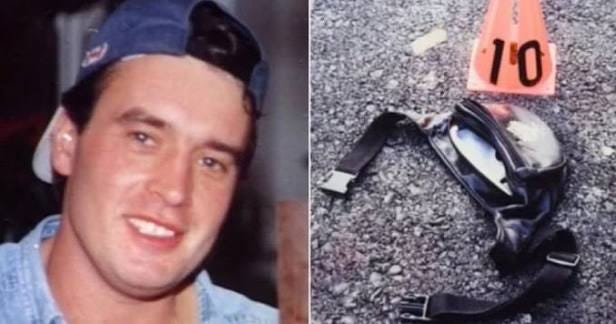
Whether Adams was beaten by a local assailant offended by his erratic behavior, or whether he was confronted by someone desperately searching his body for a specific item, remains officially unknown. The key to solving the case lies not in wild cartel conspiracies, but in the single strand of hair left in his hand—a piece of forensic evidence that Knox County cold case detectives hope will eventually yield a genetic genealogy match to finally close the case.