
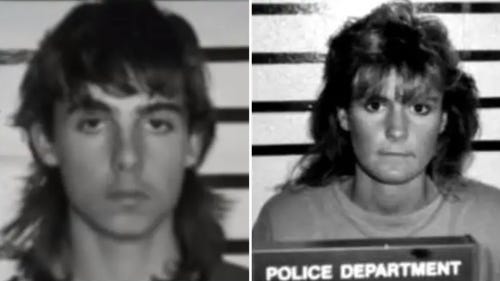
Long before the O.J. Simpson saga or the Casey Anthony media circus, there was Pamela Smart. In 1990, the trial of a 22-year-old school employee accused of orchestrating her husband’s murder became the first high-profile criminal case in U.S. history to be televised “gavel-to-gavel.”
For the networks, it was a ratings bonanza. It had everything: a young victim, a “forbidden” affair, teenage hitmen, and a woman the press dubbed the “Ice Princess.” But while the public was glued to their screens, consuming a narrative of a “black widow” teacher, the actual police reports and court transcripts told a story that was far more complex—and often contradictory to the nightly news.
Here is a deep dive into the Pamela Smart case, separating the “Made-for-TV” movie from the documented reality of the investigation.

The Myth of the “Seductress Teacher”
The Media Narrative: From the moment the story broke, headlines branded Pamela Smart a “teacher” who had preyed upon a student in her classroom. The tabloids spun a salacious tale of a woman abusing her position of power, using her authority to groom 15-year-old William “Billy” Flynn into becoming her personal hitman. This “teacher-student” dynamic was the engine that drove the national outrage.
The Documented Reality: Police employment records clarified early on that Pamela Smart was not a teacher. She was an administrator—specifically, the Director of Media Services for the school district. She did not teach classes, nor did she have students.
Furthermore, Billy Flynn was never her student in any academic capacity. They did not meet in a classroom or a detention hall; they met while volunteering together for a drug awareness program called “Project Self-Esteem.” While the relationship was undeniably inappropriate and illegal due to Flynn’s age, the “teacher seducing her student” angle was a media fabrication designed to heighten the scandal.
The “Ice Princess” and the Bikini Photos
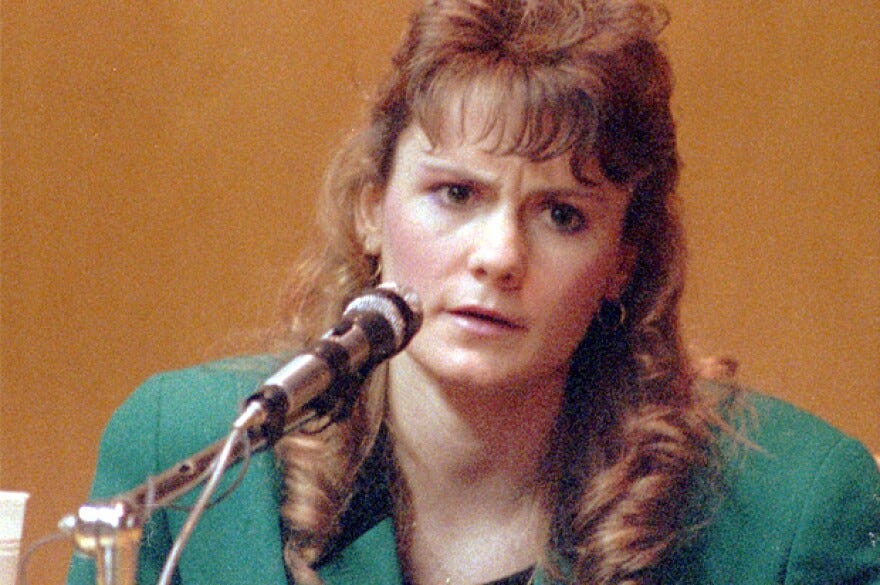
The Media Narrative: The press became obsessed with Smart’s appearance. They focused on her meticulously groomed hair, her large bows, and her stoic demeanor in court. Commentators labeled her the “Ice Princess,” arguing that her lack of tears was proof of a sociopathic, cold-blooded nature.
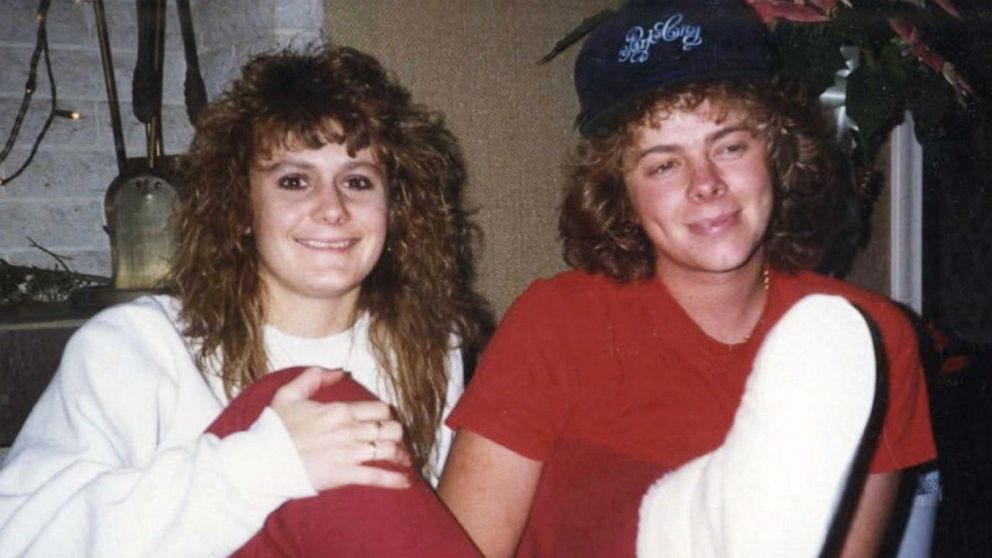
To bolster this image, newspapers splashed photos of Smart posing in a bikini across their front pages. The implication was clear: these were “seduction photos” she had taken specifically to entice Flynn and his friends into murder.

The Documented Reality: The story behind the bikini photos was far more mundane. According to sworn testimony and interviews with Smart’s friend, Tracy Paris, the photos were taken for Paris’s modeling portfolio. Paris wanted to attend a modeling seminar and asked Smart to pose with her for practice shots. They were never intended for Flynn.
As for her demeanor, psychological evaluations suggested that her “cold” appearance was a result of her professional training in media (where one is taught to remain composed) and a defense mechanism against the overwhelming stress of the trial. Smart later admitted in a 2024 statement that she was “more angry than sad” during the proceedings, which the camera read as indifference.
The “Smoking Gun” Tapes: Hearing What You Read
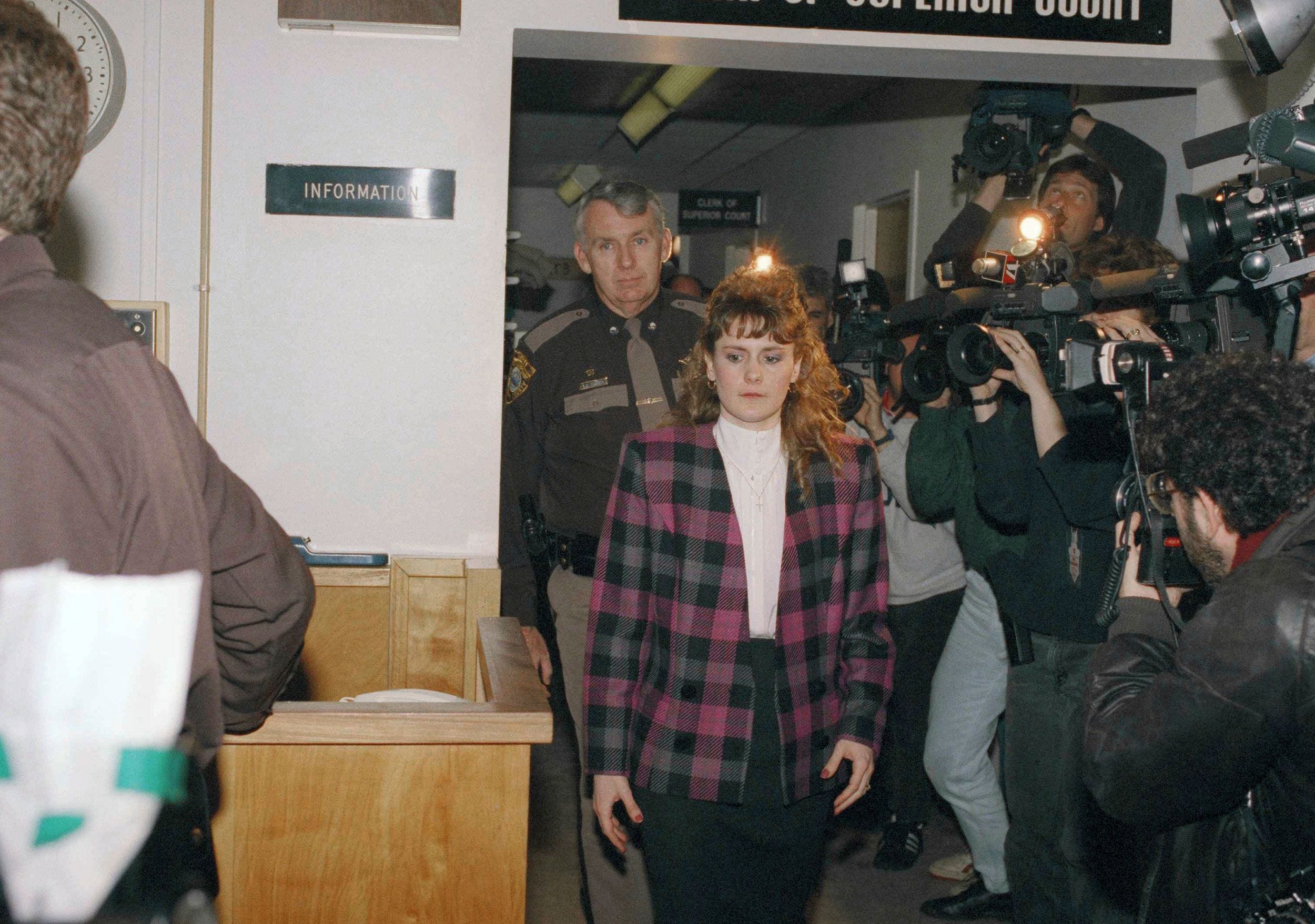
The Media Narrative: The prosecution’s star evidence was a series of wiretap recordings captured by Cecilia Pierce, a 16-year-old intern who wore a wire for the police. On the news, these tapes were presented as crystal-clear confessions where Smart masterminded the cover-up.
The Documented Reality: In the courtroom, the audio was a disaster. The quality of the tapes was described in legal briefs as “barely audible in many spots,” filled with static and background noise.
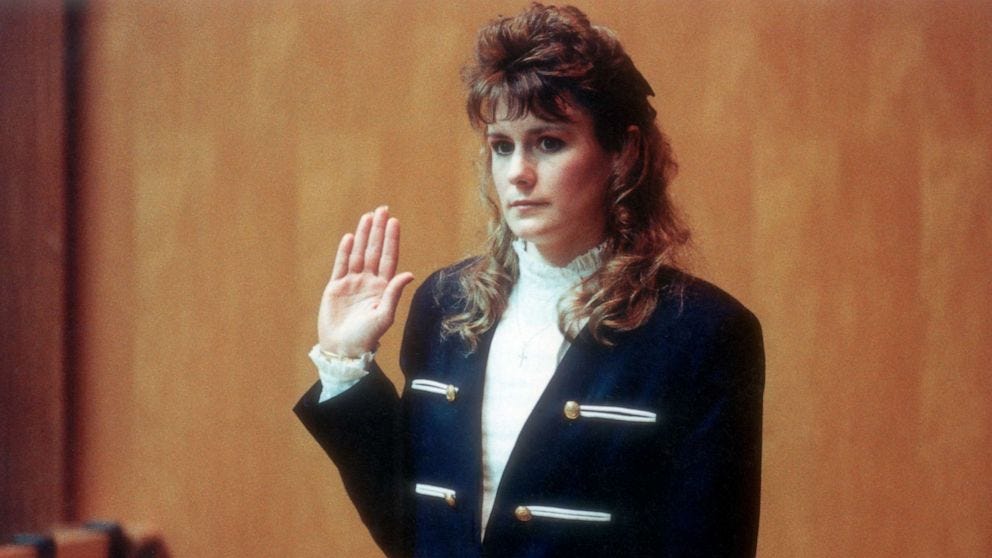
Because the jury could barely hear the conversation, the prosecution provided them with printed transcripts. This created a controversial legal issue known as “cognitive bias.” The defense argued that the State had inserted incriminating words into the text that were not clearly audible on the tape. Essentially, the jurors weren’t hearing what was said; they were “hearing” what they were reading. The “clear confession” the public thought existed was actually a murky audio file interpreted by the very people prosecuting the case.
The Teenage “Victims” and the Plea Deal
The Media Narrative: The media portrayed the four teenagers—Billy Flynn, Patrick “Pete” Randall, Vance Lattime Jr., and Raymond Fowler—as naive, innocent boys who fell under the spell of a demonic woman. The narrative was that they had no choice; Smart had threatened to break up with Flynn if he didn’t kill her husband, Gregory Smart.
The Documented Reality: The police reports reveal a massive incentive for the boys to lie. All four teenagers were facing life without parole or the death penalty. In exchange for testifying that Smart was the mastermind, they received significantly reduced sentences.
Defense attorneys pointed out a critical flaw in the integrity of their testimony: Flynn and Lattime were housed together in the same jail unit before the trial. This gave them ample opportunity to coordinate their stories to ensure they matched. Furthermore, the fourth boy, Raymond Fowler, was never called by the prosecution to testify. Why? Reports suggest his pretrial statements conflicted with the narrative Flynn and Randall were selling. The “consistent story” the jury heard was carefully curated, omitting the one witness who didn’t stick to the script.
The Motive: Love or Money?
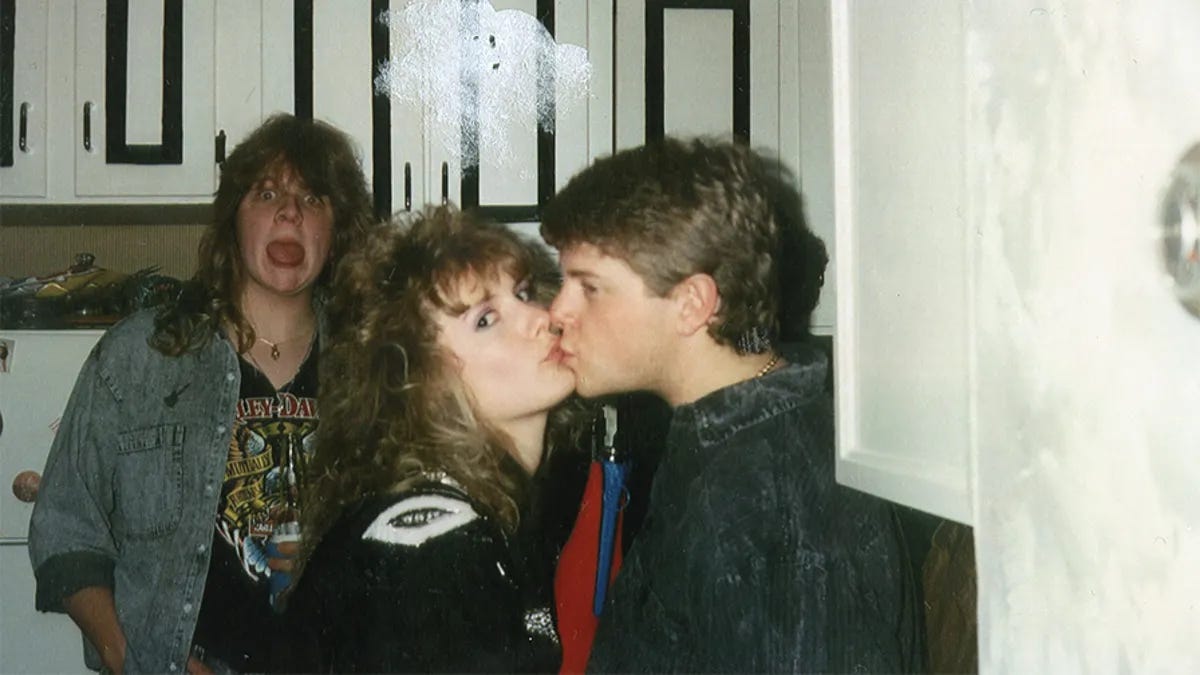
The Media Narrative: To make Smart seem even more villainous, reports claimed she killed Gregory for financial gain. Headlines screamed that she wanted his condo, his dog, and a lucrative $140,000 life insurance policy.
The Documented Reality: While a policy did exist, a closer look at the financial records showed no evidence of “severe financial desperation.” Smart was employed, Gregory was employed, and the “windfall” was relatively modest compared to the risk of a capital murder charge. The “Black Widow killing for cash” trope was easy for the public to digest, but it was not strongly supported by forensic accounting.
The Aftermath: A Long-Overdue Truth
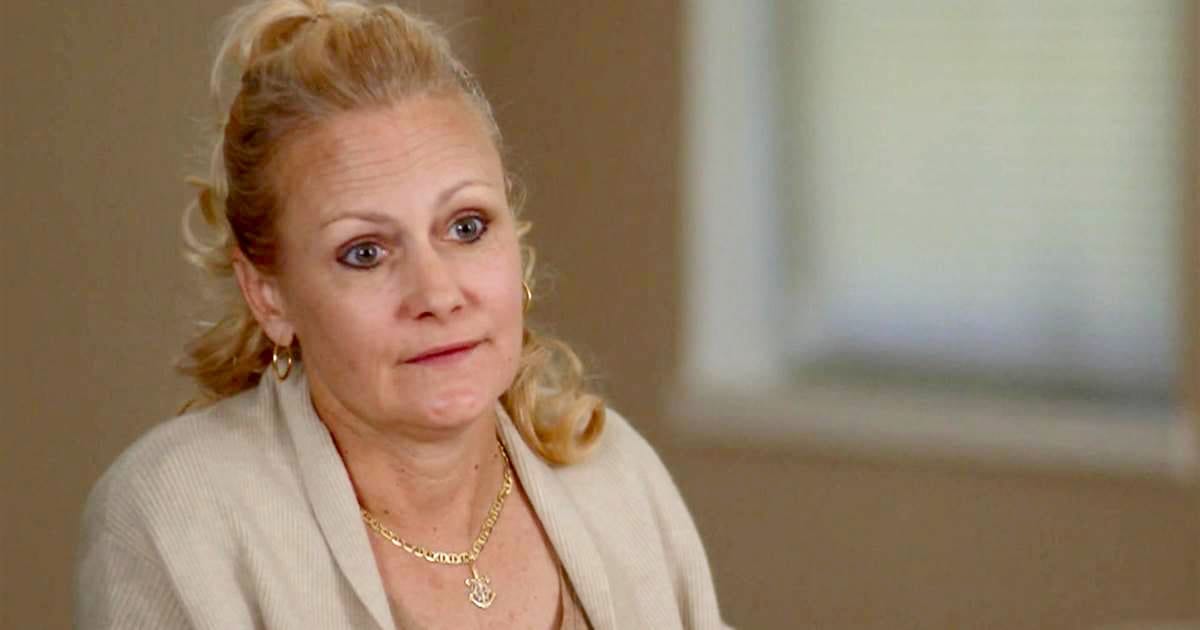
For 34 years, Pamela Smart maintained her absolute innocence, fueling decades of debate about whether she was a murderer or a victim of a media witch hunt. The teenagers served their time and were paroled, while Smart remained in prison for life.
However, in June 2024, the narrative shifted once again. In a video statement, Pamela Smart finally accepted full responsibility for Gregory’s death. She admitted that her affair and her actions set the tragedy in motion, acknowledging that while the media may have distorted the details, the core truth of her involvement remained.
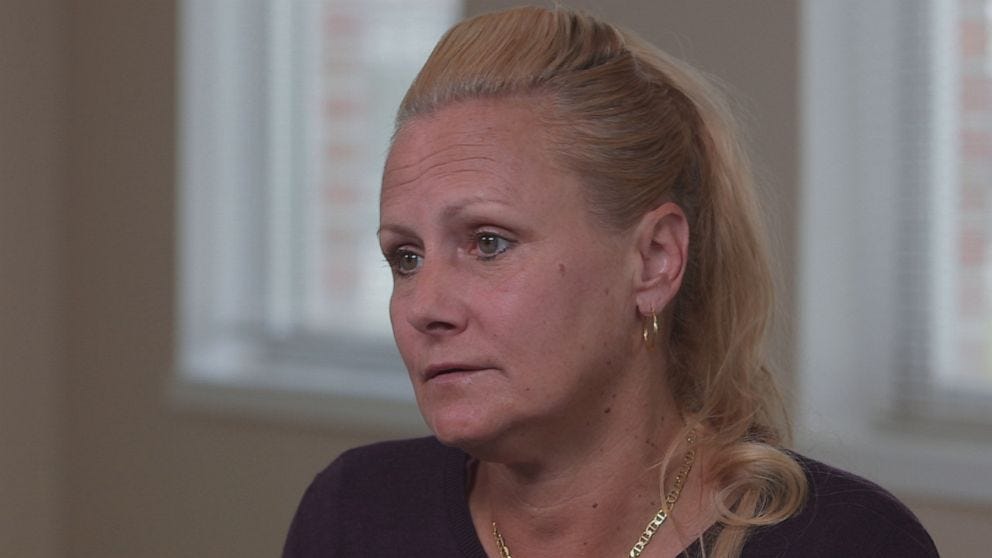
The Pamela Smart trial taught the world that in the age of televised justice, the “truth” is often whatever story sells the best during the commercial break. The media created a caricature of a villain—the “Ice Princess”—and while she may have been guilty, the version of her that America hated was largely a fictional character.