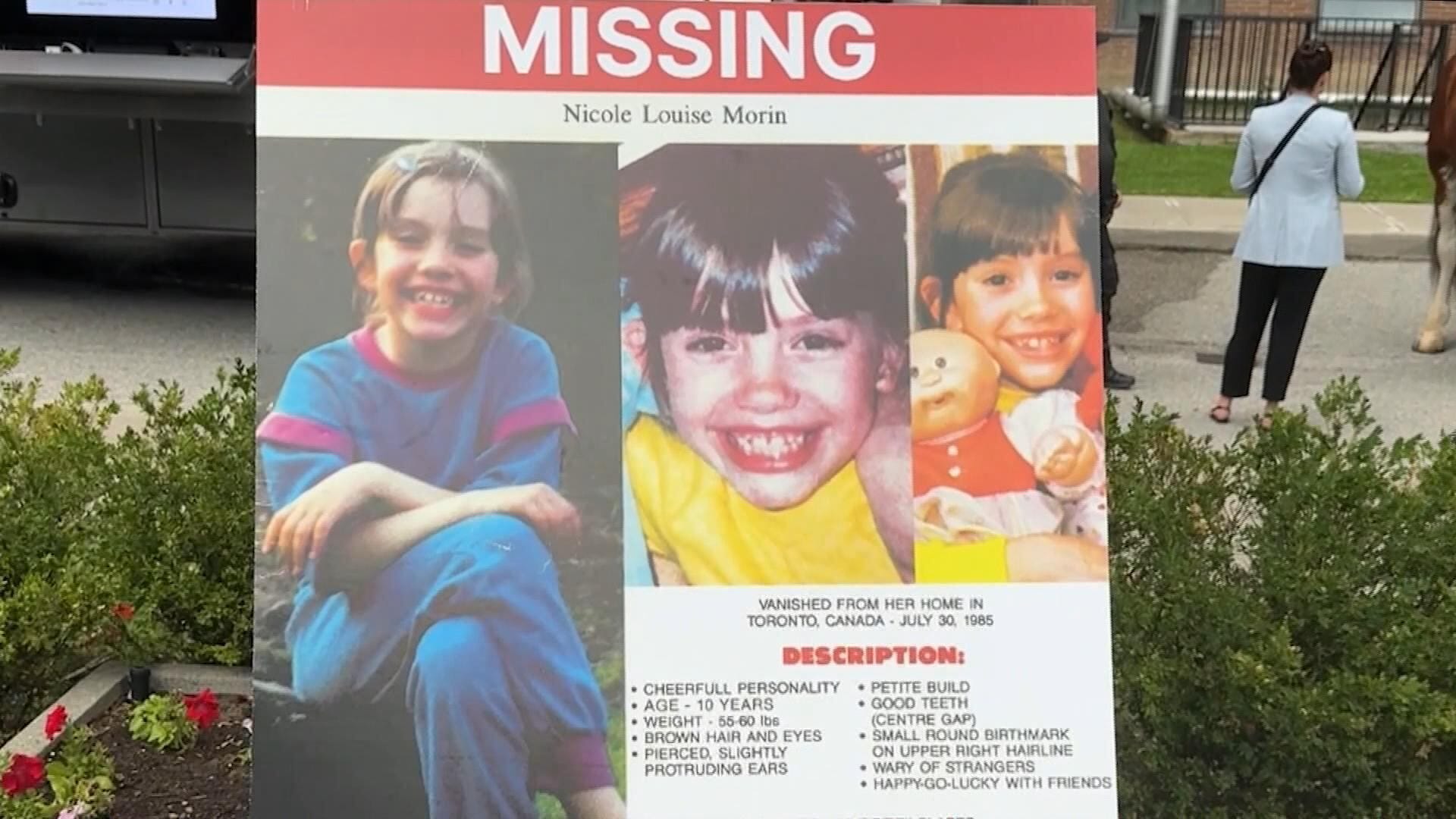
On the morning of July 30, 1985, eight-year-old Nicole Louise Morin did something thousands of children do every summer: she put on her bathing suit, grabbed a towel, and headed for the pool. She walked out of her 20th-floor penthouse in Etobicoke, Toronto, and vanished into thin air.
Over four decades later, her disappearance remains one of Canada’s most exhaustive and baffling cold cases. It is a story characterized by a haunting lack of physical evidence—a void that has been filled by divergent and often contradictory narratives from the police, the media, and a family left to pick up the pieces.
The facts of the case are rooted in a deceptively narrow 15-minute window at the 627 The West Mall apartment complex.
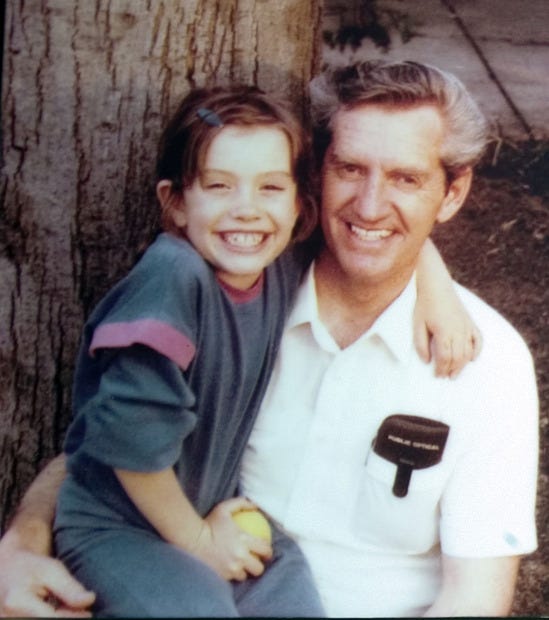
At 10:30 a.m., Nicole went down to the lobby to get the mail and returned safely, proving she was comfortable navigating the 20-story building. By 11:00 a.m., she spoke with a friend over the intercom, confirming she was on her way down to go swimming. She left the apartment dressed for a summer day: a peach one-piece bathing suit, red canvas shoes, and a green headband.
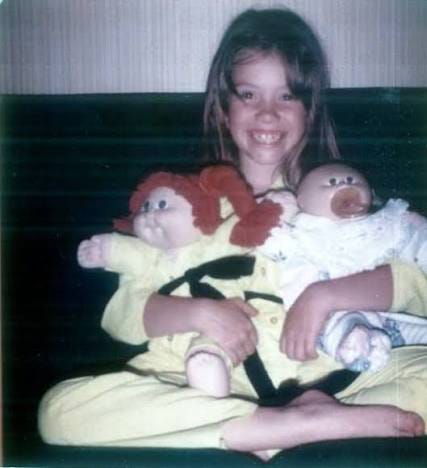
At 11:15 a.m., her friend buzzed the apartment again—Nicole hadn’t arrived. Assuming Nicole had simply gone straight to the pool or the courtyard, her mother, Jeanette, didn’t immediately worry. It wasn’t until 3:00 p.m., after a frantic search by the family, that the Toronto Police Service (TPS) was notified.

The most striking element of this case is the total evidence void. Despite searching all 429 units in the complex—sometimes using crowbars to gain entry—and scouring underground garages and utility rooms, not a single thread of clothing or biological trace was ever found. In a cruel twist of fate, security cameras were being installed in the building on the very day she disappeared. It was a technological near-miss that could have solved the mystery in minutes.
In the absence of physical clues, different versions of “the truth” began to emerge, often fueled by the specific goals of those involved.
The TPS launched the largest search in its history, involving a 20-member task force and over 25,000 man-hours. Their narrative has largely focused on a stranger abduction. However, even the “official” story has shifted. While early reports placed Nicole in the lobby, by 2014, investigators admitted they were still debating whether she even made it to the elevator or was intercepted in the 20th-floor hallway.
The media frequently prioritized eerie hooks over hard data. They fixated on a note in Nicole’s diary that read, “I’m going to disappear,” framing it as a chilling premonition. They also popularized the “Mysterious Blonde Woman,” a neighbor’s sighting of an unidentified woman with a notebook on the 20th floor, casting her as a “scout” for a kidnapping ring. These details, while compelling for headlines, often distracted from the sparse factual reality.
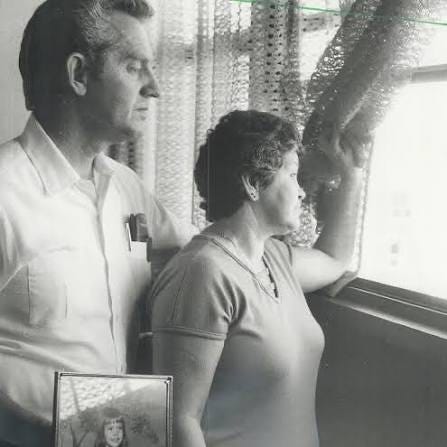
Nicole’s father, Art Morin, refused to accept the limitations of the official investigation. He left his job and hired a private investigator to track leads across North America. Meanwhile, Jeanette Morin lived under the heavy weight of that initial three-hour delay, a burden she carried until her death in 2007. Their narrative was one of a desperate struggle against a massive institutional machine that they felt wasn’t moving fast enough.

When we strip away the speculation, several “truths” begin to crumble:
While the media treated it as a core mystery, police dismissed it as the product of a child’s vivid imagination; Nicole loved pretend games and showed no actual signs of planning to run away.
- The Last Sighting: The media often reports the lobby as her last known location. In reality, police are still unsure if she ever left the 20th floor.
- The Trafficking Angle: In 2004, the media trumpeted a “Zandvoort Connection” involving a Dutch pedophile network. Police investigated thoroughly and found it to be inconclusive and lacking in proof.
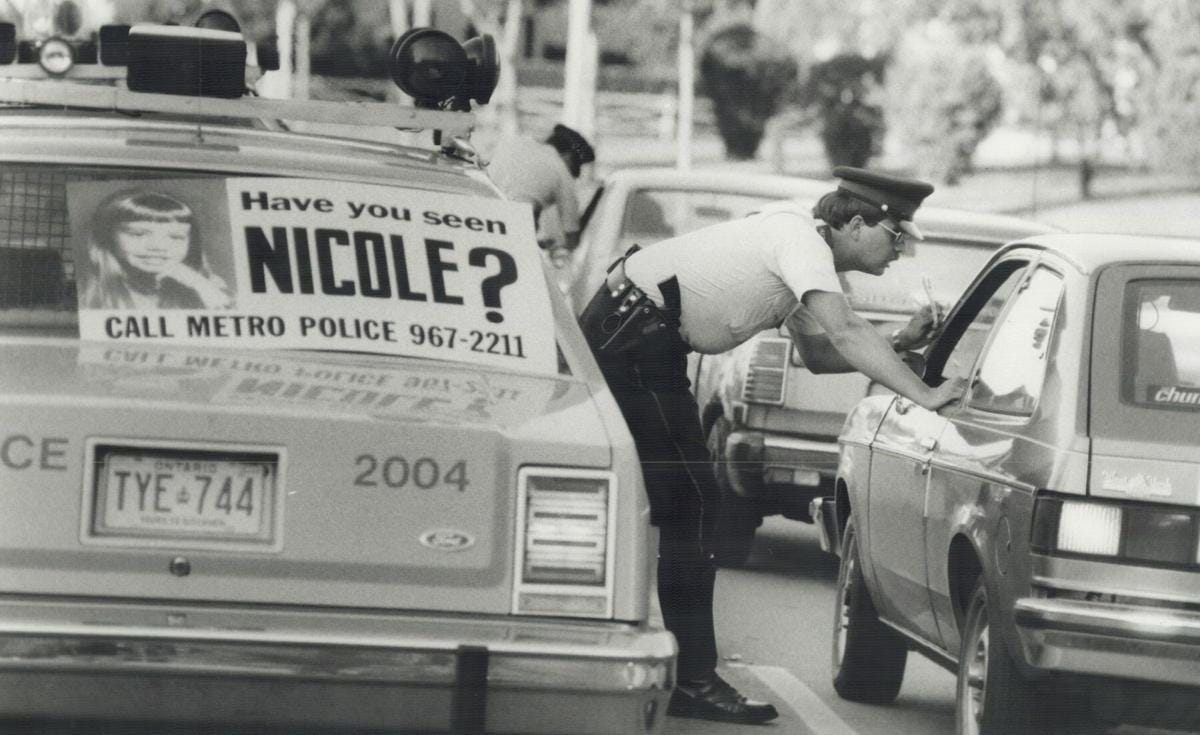
The factual truth of Nicole Morin is shockingly brief: a child walked out of her front door and disappeared in fifteen minutes without leaving a trace.
While the media cluttered the investigation with legends and the family fought the bureaucracy of a cold case, we are left with a single, haunting reality. As Toronto Crime Stoppers frequently reminds the public: despite the conflicting stories and the decades of silence, “someone, somewhere, knows something.”