
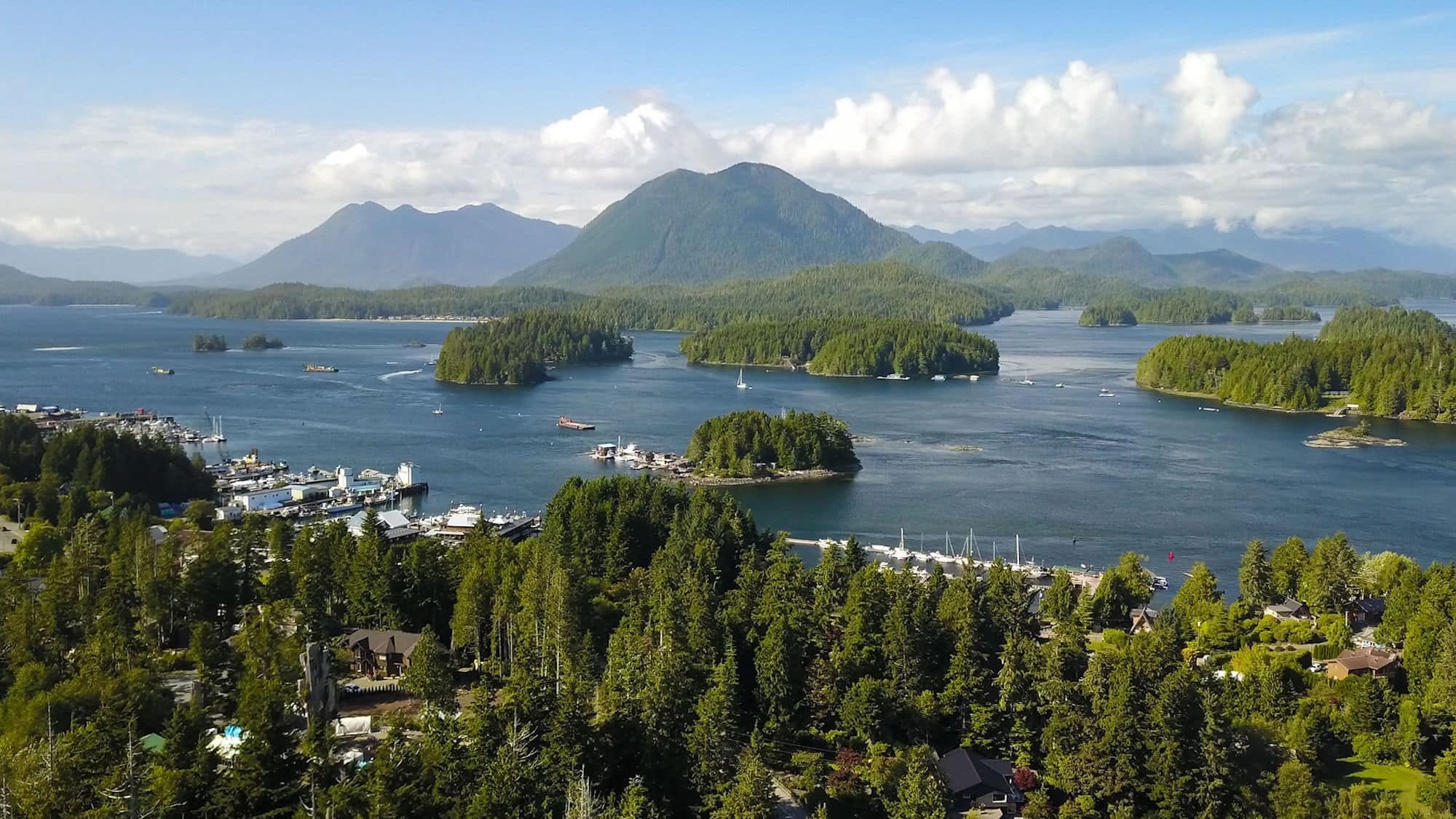
Here in Canada, the rugged coastlines, towering Douglas firs, and dense temperate rainforests of Vancouver Island have provided a breathtaking backdrop for residents and tourists alike. Millions travel to the island annually to hike its sprawling trails and drive its scenic highways. However, this beautiful landscape conceals a much darker reality: a persistent and unsettling pattern of men vanishing without a trace. While the broader crisis of missing persons in British Columbia frequently captures public attention, a closer look reveals a startling disparity in how the disappearances of young, vulnerable men are treated by the media, law enforcement, and society at large. The story of Vancouver Island’s “Gone Boys” is not just a collection of tragic, isolated anecdotes; it is a systemic issue highlighted by stark numbers and an uncomfortable public silence.
A Decades-Long Mystery: The Staggering Numbers
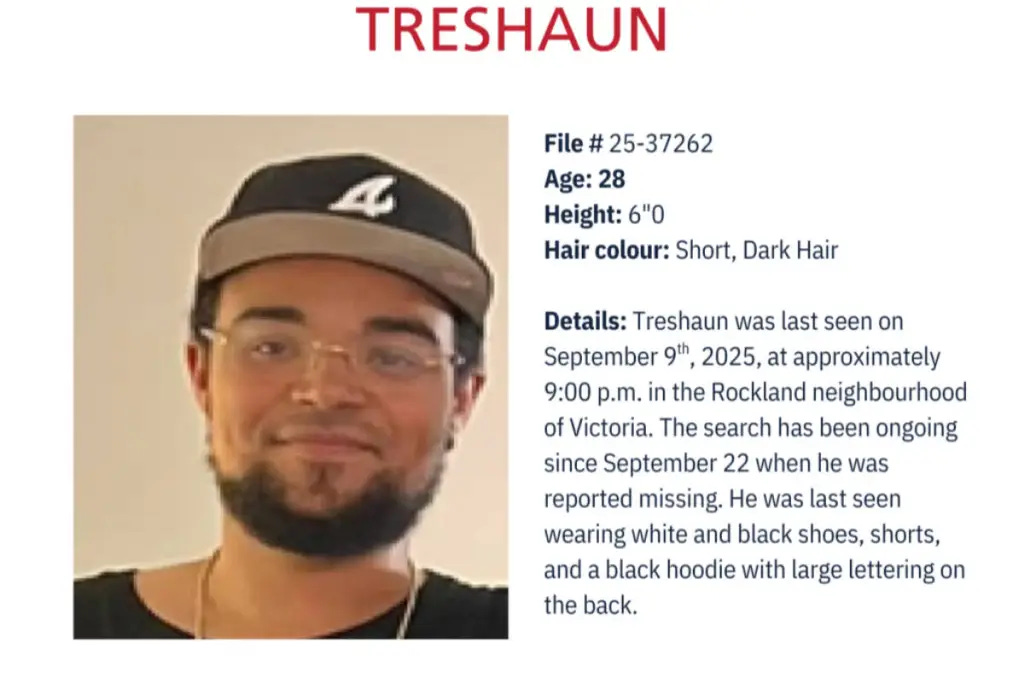
The phenomenon of men going missing on the island is not a recent development. Forensic analyses track unresolved male disappearances heavily from 1980 through the present day, while broader provincial missing persons databases detail cold cases dating back to the 1950s. Putting an exact number on the missing men of Vancouver Island is difficult due to the sheer volume of overall reports and the transient nature of some of the island’s resource-based populations.
The numbers, however, paint a clear picture of the scale of the issue:
In 2020, British Columbia recorded 12,400 missing persons cases involving adults.
By 2023, B.C. reported the highest number of missing adult reports per capita nationwide, with 269 reports per 100,000 people.
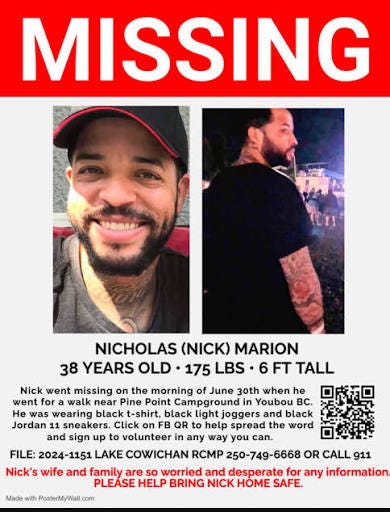
While the vast majority of these individuals are found safely within a week, the subset of cases that remain unsolved points to a distinct and targeted pattern. As a point of regional comparison, a specialized RCMP centre noted that between 2000 and 2012, 67 young men between the ages of 15 and 30 vanished in the neighbouring Lower Mainland alone. Across the Strait of Georgia, on Vancouver Island, dozens of unresolved cases involve men who seemingly evaporated in communities like Port Alberni, Duncan, Campbell River, and Victoria. These are not isolated incidents in deep wilderness, but often disappearances that occur right on the fringes of established municipalities.
The Frequent Blame: “Lost in the Woods” vs. Foul Play
When a man goes missing on the island, the immediate assumption by both the public and law enforcement is often that he simply “wandered into the woods” and succumbed to the elements. Police frequently cite misadventure, suicide, or an intentional desire to disappear and start a new life. It is true that the local geography is unforgiving. The vast expanses of Strathcona Provincial Park, the maze of active and deactivated logging roads on the North Island, and the steep, heavily forested ravines make searches incredibly complex.
However, many experts, search-and-rescue veterans, and family members push back against this easy trope. Search teams point out that while the island’s terrain is treacherous—featuring deep logging debris, hidden culverts, and rapid decomposition rates due to the damp climate—the complete absence of physical remains, clothing, or personal effects in so many cases is highly unusual. If a person simply wandered off the trail, standard grid searches or cadaver dogs usually turn up some trace.
Furthermore, many of these missing men share common, compounding vulnerabilities:
Traumatic brain injuries or cognitive impairments
Schizophrenia or other severe mental health conditions
Substance addiction and chronic homelessness
Severe psychological trauma
Criminologists note that these traits make them “high-risk victims” for predators. They are less likely to be reported missing immediately and less likely to have the resources to defend themselves. Alternative theories suggest the involvement of organized crime, drug debts, or even a potential “Highway Serial Killer” targeting marginalized, transient men hitchhiking or walking along Highways 19 and 19A.
The Gender and Racial Disparity: A Startling Contrast
The disturbing reality is that the disappearances of these men often go largely unnoticed and underreported. Researchers and advocates highlight a stark contrast: while cases involving missing women and children rightfully generate massive community advocacy, dedicated task forces, and sustained media coverage, missing men are often met with apathy. Society tends to view adult men as inherently capable of taking care of themselves, neutralizing the perceived urgency of their absence.
This disparity becomes even more pronounced when examining racial demographics, particularly within Indigenous communities. While the National Inquiry into Missing and Murdered Indigenous Women and Girls has drawn vital, overdue attention to systemic violence, members of the Cowichan Tribes in the Duncan area emphasize that the missing persons crisis heavily impacts Aboriginal men as well.
National statistics reflect a severe and often overlooked reality regarding violence against Indigenous men:
Between 1980 and 2012, Statistics Canada documented 1,750 Indigenous male homicide victims, compared to 745 Indigenous female homicide victims.
In this timeframe, 71% of all murdered and missing Indigenous people were men and boys.
According to 2020 Statistics Canada data, Indigenous men are seven times more likely to die by homicide than non-Indigenous people, and four times more likely than Indigenous women.
Despite multiple First Nations men vanishing from the same Vancouver Island communities under suspicious circumstances, their cases have historically struggled to gain the same national spotlight or mobilize the same level of investigative resources. The statistics indicate a profound dual marginalization based on both gender and race.
The Role of the Media, Police, and Families
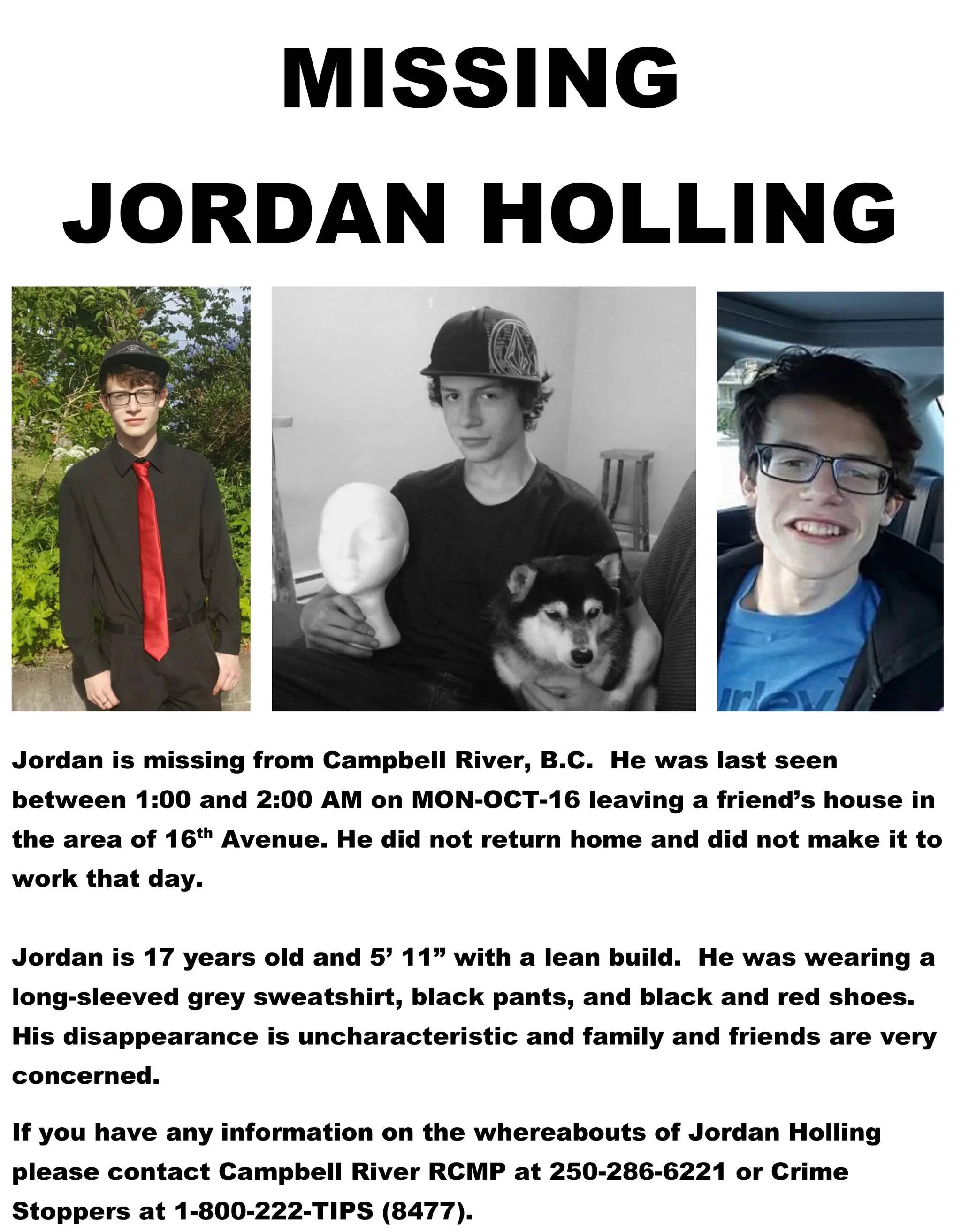
The gap between how institutions manage these cases and what families endure is massive, creating a cycle of frustration and unresolved grief.
Law Enforcement: Police often treat these cases initially as standard missing persons files with “no signs of foul play.” This designation allows investigations to remain quiet, often defaulting to environmental or voluntary disappearance theories that require less intensive resource allocation. Furthermore, historically, many police databases have not consistently tracked missing persons cases by race, a critical oversight that advocates argue obscures the true, disproportionate scope of the problem in Indigenous communities.
The Media: Traditional media coverage of missing men is often fleeting. A press release might be published on the day of the disappearance, but follow-up stories are rare. Men on the margins are underreported, allowing them to remain “shadows” in their own communities. Frustrated by this silence, independent journalists and podcasters—most notably the series Island Crime: Gone Boys—have had to step in. They investigate these cold cases, compile the data the state has missed, and force public awareness regarding the missing men.
The Families: For the families left behind, the lack of answers results in a lifetime of ambiguous loss. They vehemently reject the notion that their sons, fathers, or brothers simply walked away from their lives. Instead of relying solely on authorities, families are forced to conduct their own grueling physical searches of logging roads, dense brush, and rushing rivers. They fundraise to hire private dog teams and constantly battle online rumors, stigma, and unhelpful “armchair detectives” on social media. In Indigenous communities, the lack of physical remains has a profound cultural impact, preventing families from performing traditional mourning customs and leaving them spiritually and emotionally trapped.
The missing young men of Vancouver Island represent a profound failure in our societal safety nets. Dismissed as runaways, addicts, or victims of the wilderness, they are easily forgotten by a media landscape and institutional system that rarely prioritizes marginalized males. The statistics prove that this is not a matter of random chance, but a targeted crisis affecting vulnerable populations, particularly Indigenous men.
Until these disappearances are treated with the same urgency, transparency, and rigorous investigation as other high-profile cases, the forests and highways of Vancouver Island will continue to keep their dark secrets, and families will be left waiting for a knock at the door that may never come.