
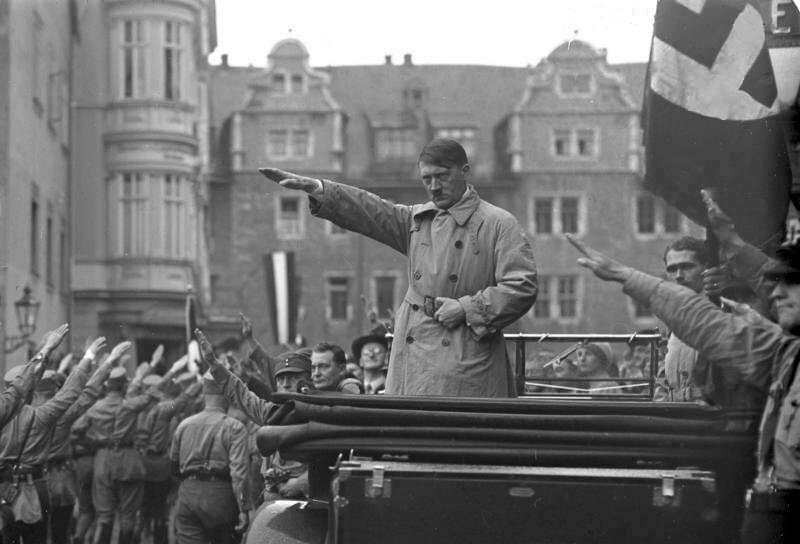
When we look back at the 1930s and 40s, it remains one of the hardest chapters of history to process. It’s the story of how a modern, cultured society descended into an industrial-scale nightmare. But for the people living through it—both inside and outside of Germany—the sheer scale of the horror was heavily masked by a fog of propaganda, diplomatic hesitation, and the simple, human inability to comprehend that level of depravity.
To really understand how this happened, you have to look at the two vastly different versions of reality that existed side-by-side: the sanitized version the Nazi state sold to the world, and the blood-soaked truth that was only fully exposed when Allied troops finally broke through in 1945.
In the early 1930s, Joseph Goebbels and his Ministry of Propaganda built what might be the most effective, deceptive PR machine in history. The stories coming out of Berlin weren’t about hate; they were about a “national comeback.”
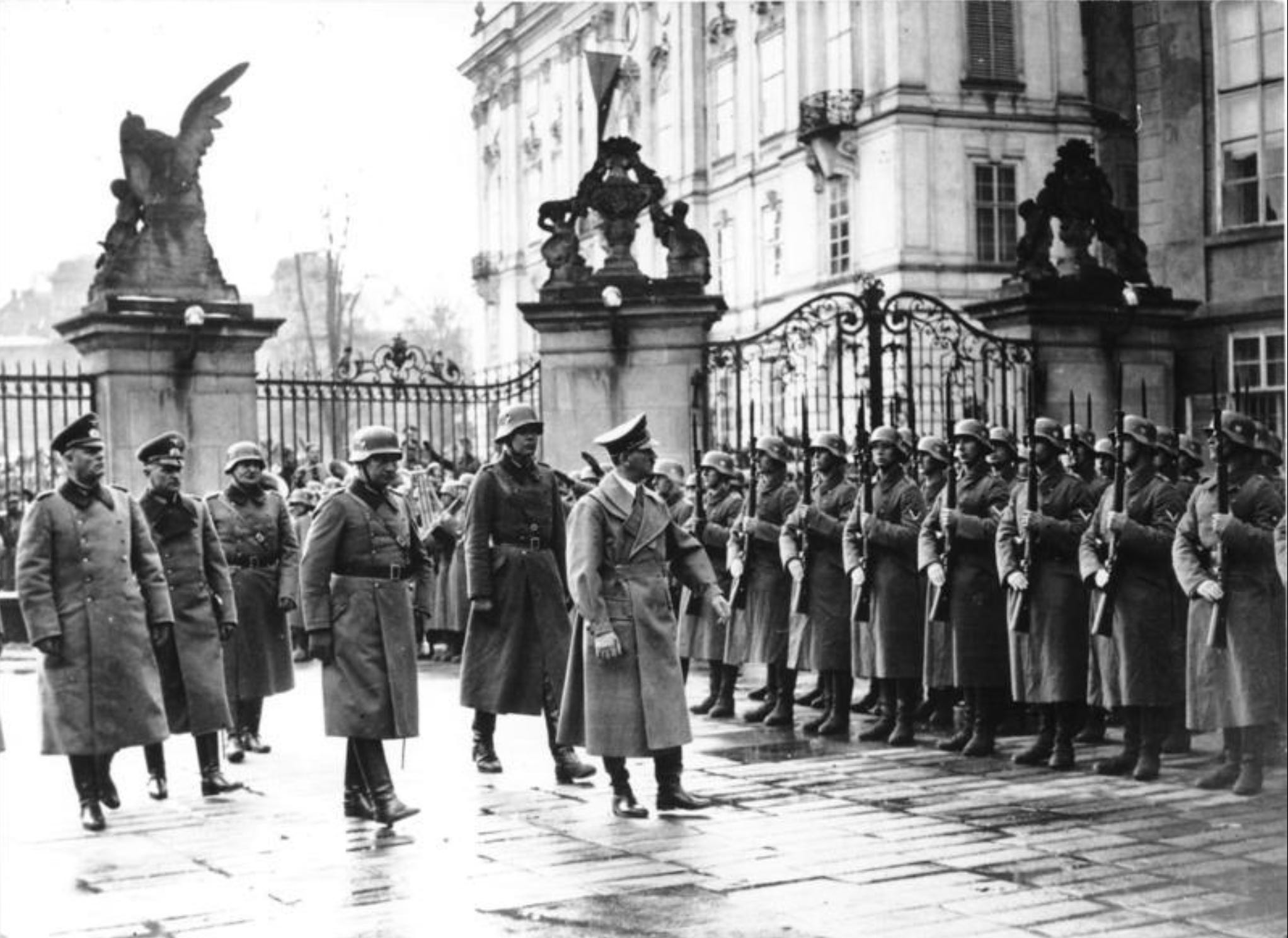
Foreign journalists were given carefully guided tours of a Germany that looked clean, efficient, and miraculously healed from the Great Depression. They saw the new Autobahns, booming employment, and smiling workers. The 1936 Berlin Olympics were the ultimate stage play, meticulously designed to convince the globe that Germany was a peaceful, welcoming superpower.
When the state did crack down, the media framed it as restoring civil order. The arrests of political opponents were spun as “protective custody,” and the Nuremberg Laws of 1935 were reported merely as a strict, legal approach to citizenship, rather than the foundation for genocide. Because the regime controlled the cameras and the presses, the world saw a disciplined nation—not a ticking time bomb.
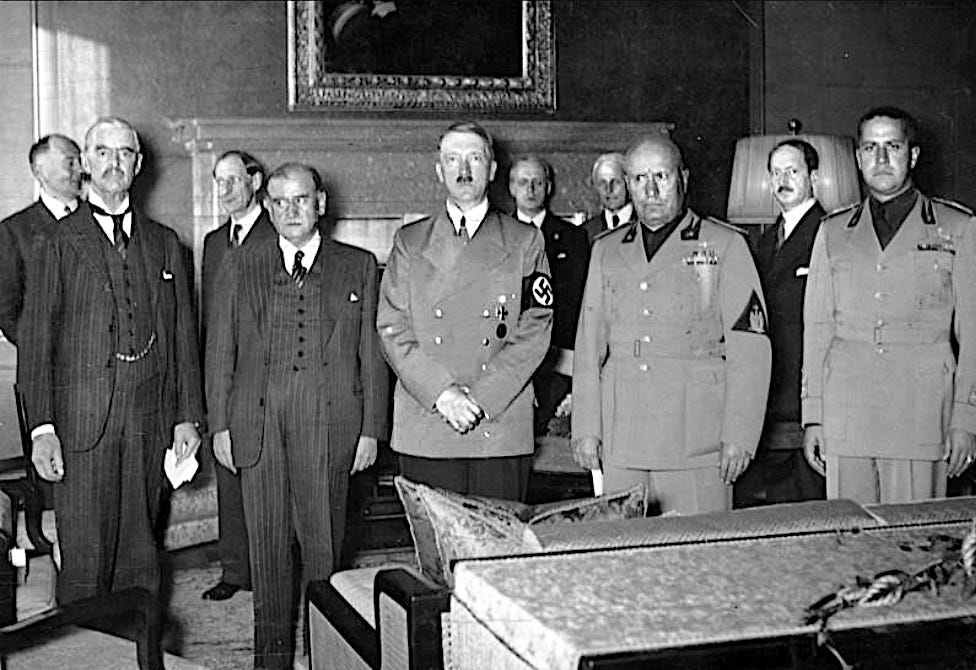
Behind the curtain, the celebrated economic “miracle” was nothing more than a house of cards built on theft and slavery.
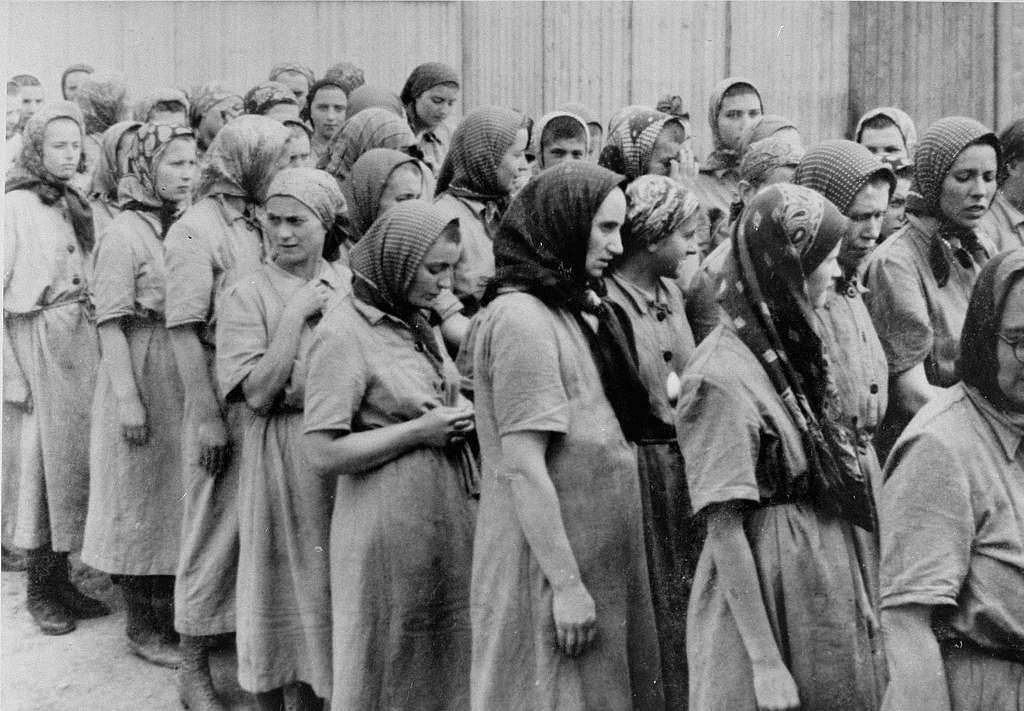
While international papers praised Germany’s rising GDP, the reality was a brutal command economy kept afloat by looting Jewish assets and stealing the gold reserves of conquered nations. Worse still was the human cost. The people the media called “workers” were actually enslaved. By the height of the war, millions of people had been trafficked from their homes to toil in underground factories. They weren’t treated as employees; they were treated as raw materials, meant to be used up until they died.
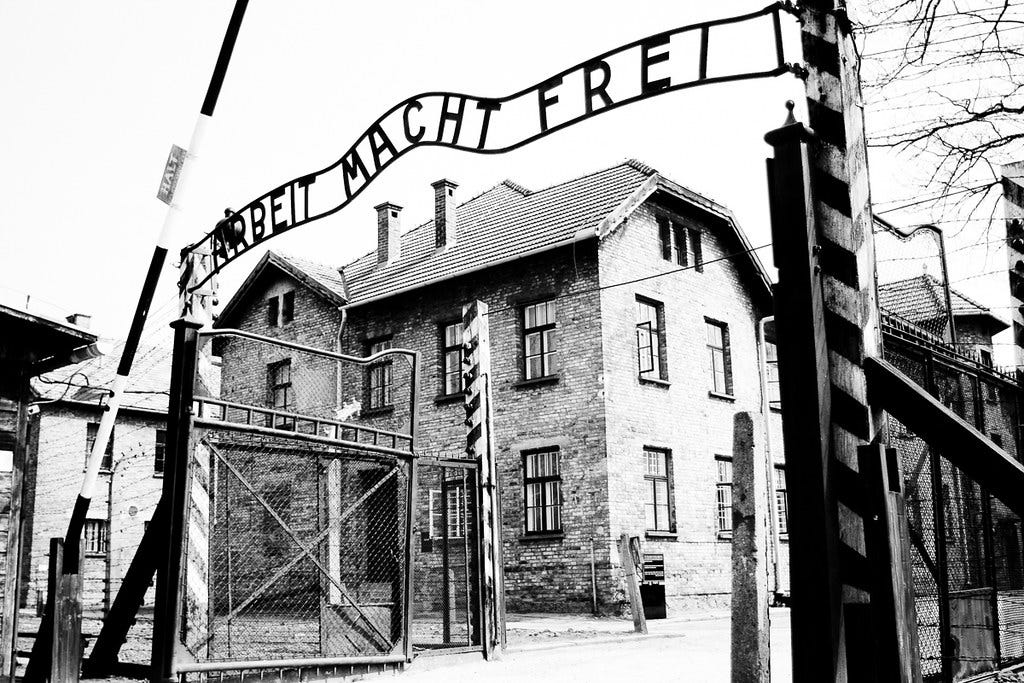
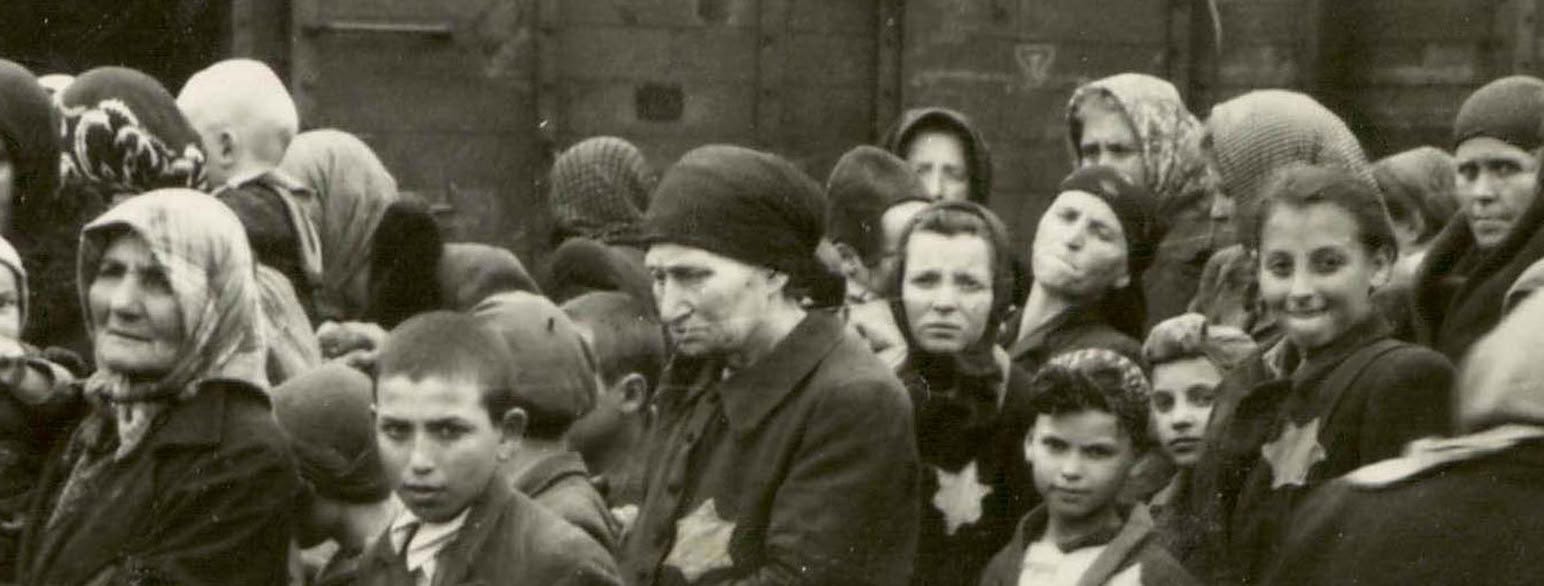
The most chilling gap between the media narrative and the truth was the Holocaust. To hide the atrocities, the regime used sterile, bureaucratic language like Umsiedlung (resettlement). They even built “model ghettos,” like Theresienstadt, to trick Red Cross inspectors into believing Jewish families were living in self-governed towns.
The reality, of course, was Auschwitz, Treblinka, and Sobibor.
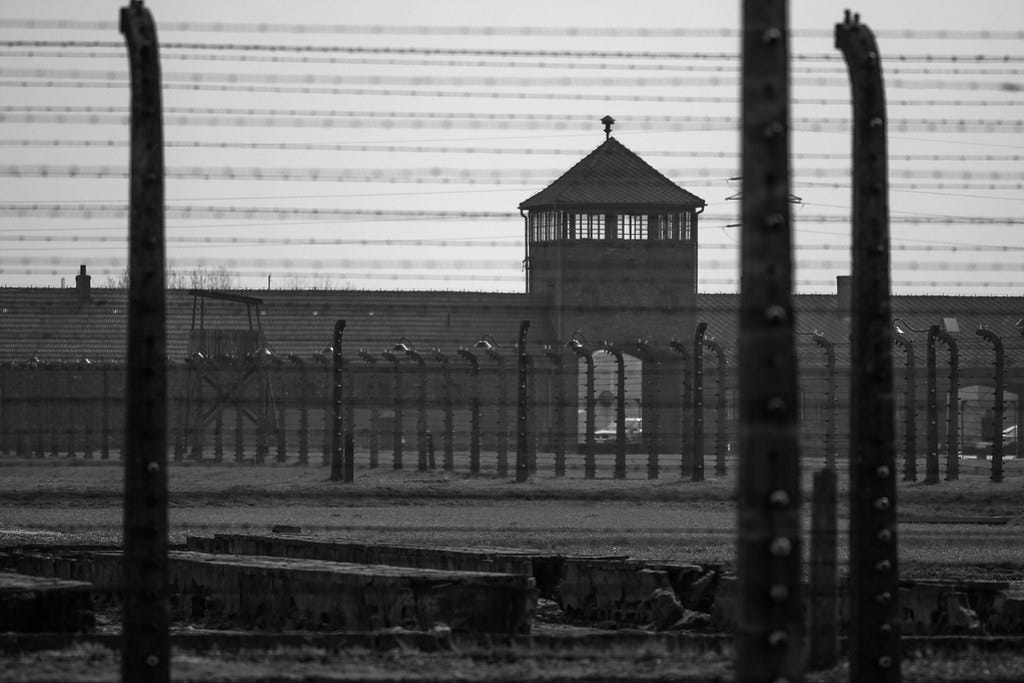
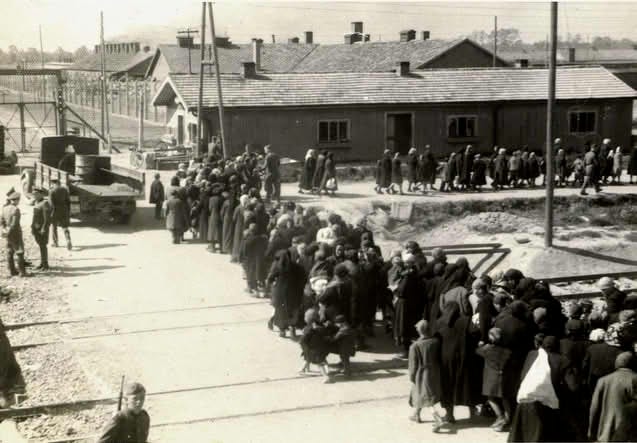
While the press talked about relocating people to farm in the East, the regime was orchestrating a logistical masterpiece of murder. We use terms like “the industrialization of death” today, but at the time, the concept was literally unimaginable. People could wrap their heads around the tragedy of a battlefield massacre, but the world’s media couldn’t fathom factories built solely to turn thousands of human beings into ash every single day.
What didn’t make the headlines was the total psychological collapse of the German people. The state wasn’t just a government; it was a psychological prison.
The roaring, unified crowds you see in old propaganda films were often born of terror, not genuine enthusiasm—because not cheering loudly enough could get you arrested. The “unity” the media praised was actually the work of the Gestapo and a terrifying network of civilian informants. It was a society gripped by low-grade, permanent panic, where a neighbor might report you for buying bread from the wrong baker, or a child might accidentally condemn their parents for listening to a foreign radio station.
Perhaps the darkest, most hidden reality was the perversion of science. German media boasted about advancements in public health and the “purity” of their people.
The truth was the Aktion T4 program—the quiet, systematic murder of the disabled, the elderly, and the mentally ill. In the camps, doctors who had sworn the Hippocratic Oath became torturers. Men like Josef Mengele performed surgeries without anesthesia, injected chemicals into children’s eyes, and pushed human bodies to the breaking point in freezing water. These weren’t scientific trials; they were acts of pure sadism, completely ignored by a press focused on stories of national health.
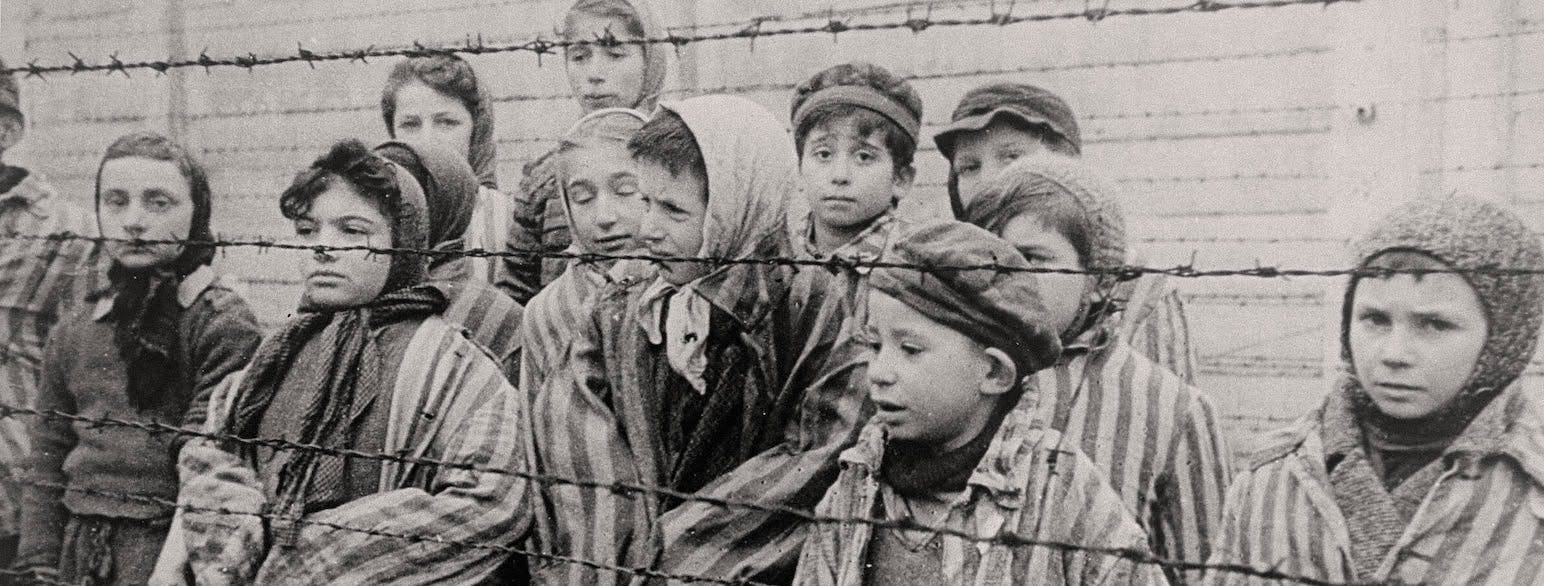
That massive gap between the lie and the reality finally shattered in the spring of 1945. When Allied soldiers walked into camps like Buchenwald and Dachau, even the most battle-hardened veterans were physically sickened by what they found.
General Dwight D. Eisenhower understood immediately that the truth was so horrific, people would eventually try to deny it. He ordered journalists and soldiers to document everything:
“Collect every bit of evidence... because somewhere down the track of time some bastard will get up and say that this never happened.”
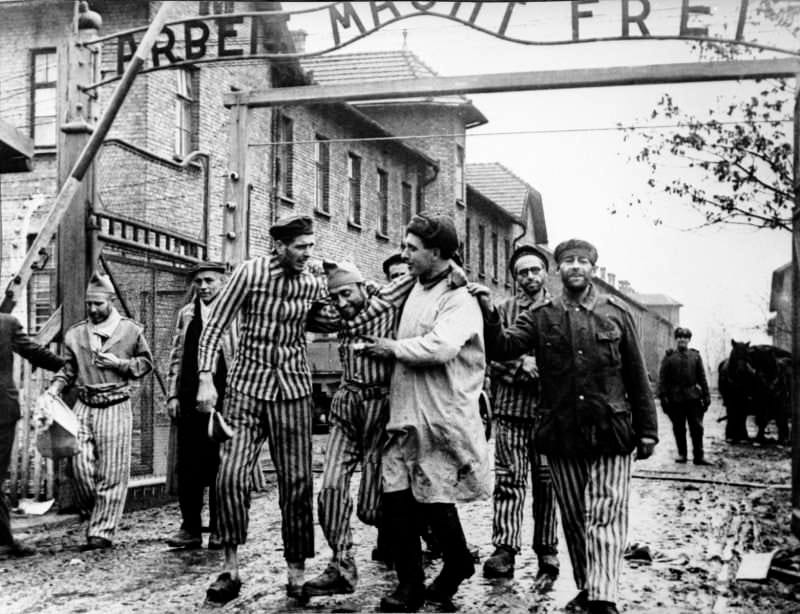
When the media finally broadcast the unvarnished truth, it came with a profound sense of failure. They realized they had spent twelve years covering a political movement, when they should have been covering a death cult. The hallucination had finally broken, but only after it had cost the lives of over 70 million people worldwide.
Looking back from 2026, the story of Nazi Germany serves as a haunting warning about the power of propaganda. When a state entirely controls the narrative, they don’t just bend the facts—they construct an alternate reality.
The tragedy of that era was so much worse than anyone initially reported because the regime didn’t just want land; they wanted to redefine what it meant to be human, stripping away every ounce of dignity until only the machine was left. The truth was always there, buried in the smoke and the silence, but the world simply couldn’t stomach looking at it until the gates were finally kicked open.